Proactive SIEM Monitoring Expertise for Continuous Cybersecurity Excellence
SIEM Monitoring - Continuous Monitoring and Threat Detection
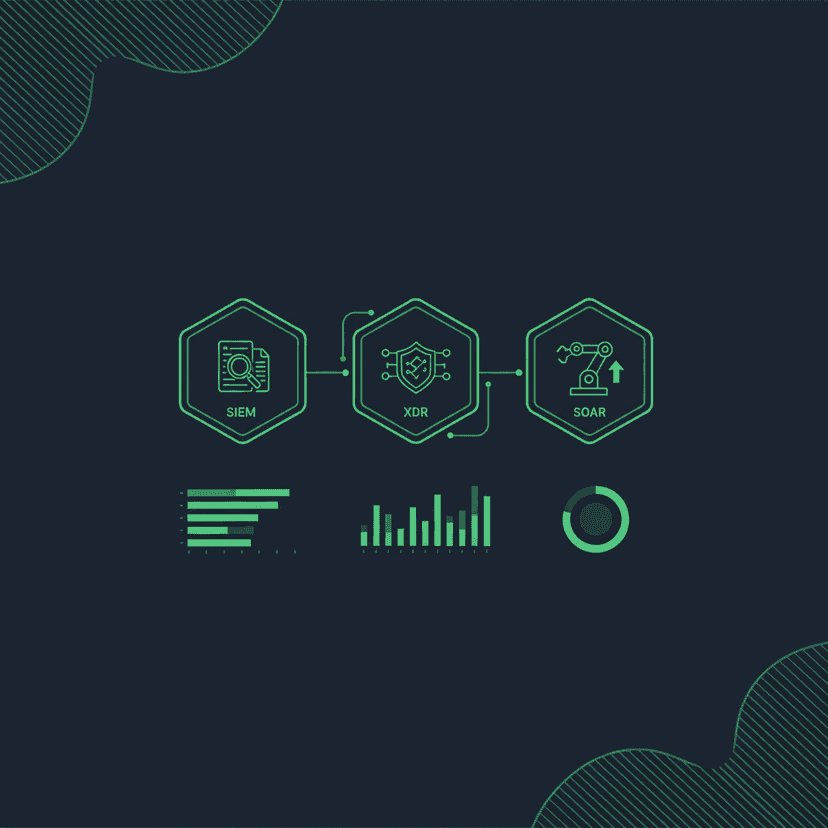
Effective SIEM monitoring is the cornerstone of modern cybersecurity operations. We develop and implement intelligent monitoring strategies that detect threats in real-time, minimize false positives, and activate automated response mechanisms. Our AI-enhanced monitoring solutions ensure continuous security surveillance with maximum precision and operational efficiency.
- ✓AI-enhanced Real-time Threat Detection and Anomaly Recognition
- ✓Intelligent Alert Management with False Positive Reduction
- ✓Automated Incident Response and Workflow Orchestration
- ✓Continuous Monitoring Optimization and Performance Tuning
Your strategic success starts here
Our clients trust our expertise in digital transformation, compliance, and risk management
30 Minutes • Non-binding • Immediately available
For optimal preparation of your strategy session:
- Your strategic goals and objectives
- Desired business outcomes and ROI
- Steps already taken
Or contact us directly:
Certifications, Partners and more...










SIEM Monitoring: Intelligent Surveillance for Proactive Cybersecurity
Our SIEM Monitoring Expertise
- Comprehensive experience with AI-enhanced detection technologies and advanced analytics
- Proven methodologies for false positive reduction and alert optimization
- End-to-end monitoring services from strategy to operational excellence
- Continuous innovation and integration of latest threat intelligence
⚠
Monitoring Excellence as Competitive Advantage
Effective SIEM monitoring can reduce Mean Time to Detection by up to 90% while minimizing false positives by over 80%. Intelligent monitoring strategies are crucial for proactive cybersecurity and business continuity.
ADVISORI in Numbers
11+
Years of Experience
120+
Employees
520+
Projects
We pursue a data-driven, AI-enhanced approach to SIEM monitoring that combines technical excellence with operational efficiency and strategic threat intelligence.
Our Approach:
Comprehensive Threat Landscape Analysis and Risk-based Monitoring Design
AI-Enhanced Detection Engineering with Machine Learning and Behavioral Analytics
Intelligent Alert Management with Prioritization and Context Enrichment
Automated Response Integration with SOAR and Workflow Orchestration
Continuous Improvement through Performance Analytics and Threat Intelligence
"Effective SIEM monitoring is the cornerstone of proactive cybersecurity and requires a perfect balance between technical sophistication and operational practicality. Our AI-enhanced monitoring solutions enable our clients to detect and neutralize threats in real-time while drastically reducing false positives. Through continuous optimization and integration of latest threat intelligence, we create monitoring excellence that anticipates both current and future cybersecurity challenges."

Sarah Richter
Head of Information Security, Cyber Security
Expertise & Experience:
10+ years of experience, CISA, CISM, Lead Auditor, DORA, NIS2, BCM, Cyber and Information Security
Our Services
We offer you tailored solutions for your digital transformation
Strategic SIEM Monitoring Design and Architecture
Development of customized monitoring strategies and architectures that address your specific threat landscapes and ensure operational excellence.
- Comprehensive Threat Landscape Assessment and Risk-based Monitoring Strategy
- Use Case Engineering and Detection Logic Development
- Monitoring Architecture Design for Scalability and Performance
- Integration Planning with Existing Security Tools and Workflows
AI-Enhanced Detection Rules and Analytics
Implementation of intelligent detection rules and advanced analytics for precise threat detection with minimal false positives.
- Machine learning Anomaly Detection and Behavioral Analytics
- Custom Detection Rules Development for Specific Threat Scenarios
- Statistical Analysis and Pattern Recognition for Advanced Threat Detection
- Continuous Rule Optimization and Performance Tuning
Real-time Alert Management and Prioritization
Intelligent alert management with automated prioritization, context enrichment, and false positive reduction for efficient security operations.
- Intelligent Alert Correlation and Deduplication
- Risk-based Alert Prioritization and Severity Scoring
- Contextual Alert Enrichment with Threat Intelligence and Asset Information
- False Positive Analysis and Continuous Alert Optimization
Automated Incident Response and SOAR Integration
Smooth integration of automated response mechanisms and SOAR platforms for accelerated incident response and workflow orchestration.
- SOAR Platform Integration and Workflow Automation
- Automated Response Playbooks for Various Incident Types
- Real-time Notification and Escalation Management
- Integration with Ticketing Systems and Communication Platforms
Threat Intelligence Integration and Contextual Enrichment
Integration of current threat intelligence and contextual enrichment for enhanced detection capabilities and situational awareness.
- Multi-Source Threat Intelligence Integration and Feed Management
- IOC Matching and Threat Attribution for Enhanced Context
- Geolocation and Reputation Analysis for Risk Assessment
- Custom Threat Intelligence Development and Sharing
Continuous Monitoring Optimization and Performance Analytics
Continuous monitoring optimization through performance analytics, effectiveness measurement, and strategic improvement initiatives.
- Monitoring Effectiveness Measurement and KPI Tracking
- Performance Analytics and Resource Optimization
- Detection Coverage Analysis and Gap Assessment
- Continuous Improvement Planning and Strategic Roadmap Development
Our Competencies in Security Information and Event Management (SIEM)
Choose the area that fits your requirements
SIEM Cyber Security - Comprehensive Cybersecurity Orchestration
SIEM systems form the heart of modern cybersecurity strategies and enable comprehensive orchestration of all security measures. We develop SIEM-based cybersecurity architectures that smoothly integrate advanced threat detection, intelligent incident response, and proactive cyber defense. Our expertise creates resilient security operations that withstand even the most sophisticated cyberattacks.
SIEM DORA Compliance
Comprehensive SIEM solutions that meet DORA requirements for security monitoring, incident management, and regulatory reporting in financial institutions. We help you transform your SIEM system into a DORA-compliant compliance platform.
SIEM NIS2 Compliance - Cybersecurity Directive for Critical Infrastructures
The NIS2 Directive imposes increased requirements on the cybersecurity of critical infrastructures and essential services. We support you in strategically aligning your SIEM landscape with NIS2 compliance, from initial gap analysis through technical implementation to continuous monitoring and reporting. Our expertise ensures not only regulatory conformity but also operational resilience and strategic cybersecurity excellence.
SIEM Software - Selection and Implementation
Selecting the right SIEM software is crucial for the success of your cybersecurity strategy. We support you in vendor-independent evaluation, strategic selection, and professional implementation of the optimal SIEM solution for your specific requirements and framework conditions.
SIEM Technology - Effective Security Technologies and Future Trends
The SIEM technology landscape is rapidly evolving with significant innovations in AI, machine learning, and cloud-based architectures. We guide you through modern SIEM technologies and help you identify and implement forward-looking solutions that elevate your cybersecurity capabilities to the next level.
Frequently Asked Questions about SIEM Monitoring - Continuous Monitoring and Threat Detection
How do you develop a strategic SIEM monitoring architecture that anticipates both current threats and future cybersecurity challenges?
Developing a strategic SIEM monitoring architecture requires a comprehensive approach that combines technical excellence with business alignment and forward-looking planning. An effective monitoring strategy must consider both the current threat landscape and emerging threats while ensuring operational efficiency. Strategic Threat Landscape Assessment: Comprehensive analysis of current and projected threat landscape based on industry intelligence and organization-specific risk factors Mapping of critical assets and data flows for risk-based monitoring prioritization Assessment of regulatory requirements and compliance obligations for various jurisdictions Evaluation of existing security tools and integration possibilities for comprehensive monitoring coverage Stakeholder alignment and definition of monitoring objectives for different organizational levels Architecture Design Principles: Flexible and flexible monitoring architecture that can keep pace with organizational growth and technological developments Multi-layered detection approach with various analytics techniques for comprehensive threat coverage Real-time and near-real-time processing capabilities for time-critical security events Cloud-based and hybrid-ready architecture for modern IT landscapes API-first design for smooth integration with existing.
Which AI-enhanced detection technologies are most effective for modern SIEM monitoring and how do you implement them optimally?
AI-enhanced detection technologies transform modern SIEM monitoring through more precise threat detection, reduced false positives, and adaptive learning capabilities. Optimal implementation requires strategic planning, high-quality data, and continuous optimization for maximum effectiveness. Machine Learning Detection Approaches: Supervised learning for known threat patterns and signature-based detection with continuous model updates Unsupervised learning for anomaly detection and discovery of unknown threat patterns Semi-supervised learning for optimal balance between known and unknown threats Deep learning for complex pattern recognition in large datasets Ensemble methods for solid detection through combination of various ML algorithms Behavioral Analytics Implementation: User and Entity Behavior Analytics for insider threat detection and account compromise identification Network behavior analysis for lateral movement detection and command-and-control communication Application behavior monitoring for zero-day exploit detection and malware analysis Baseline establishment and dynamic threshold adjustment for adaptive detection Contextual analysis integration for enhanced threat attribution and risk scoring Advanced Analytics Techniques: Statistical process control for anomaly detection in.
How do you design an intelligent alert management system that minimizes false positives while prioritizing critical threats?
An intelligent alert management system is crucial for operational SIEM efficiency and requires sophisticated correlation techniques, risk-based prioritization, and continuous optimization. Effective alert management reduces analyst fatigue and ensures critical threats receive appropriate attention. Intelligent Alert Correlation: Multi-dimensional correlation based on time, source, destination, user, and asset attributes Pattern recognition for related event clustering and attack campaign identification Temporal correlation for attack sequence detection and kill chain analysis Geospatial correlation for location-based threat analysis and impossible travel detection Behavioral correlation for user and entity relationship analysis Risk-based Alert Prioritization: Dynamic risk scoring based on asset criticality, threat severity, and business impact Contextual enrichment with threat intelligence, vulnerability data, and asset information Business process alignment for impact-based priority assignment Regulatory compliance integration for compliance-critical alert escalation Historical analysis for pattern-based priority adjustment and trend identification False Positive Reduction Strategies: Statistical analysis for baseline establishment and anomaly threshold optimization Whitelist management and known-good behavior modeling Environmental context.
What role does threat intelligence integration play in SIEM monitoring and how do you maximize its value for enhanced detection?
Threat intelligence integration transforms SIEM monitoring from reactive to proactive cybersecurity through contextual enrichment, predictive analytics, and enhanced detection capabilities. Effective TI integration requires strategic feed selection, intelligent processing, and continuous relevance optimization for maximum security value. Multi-Source Intelligence Integration: Commercial threat intelligence feeds for high-quality, curated threat data Open source intelligence aggregation for comprehensive threat coverage Government and industry-specific intelligence for targeted threat information Internal threat intelligence development for organization-specific indicators Community-based intelligence sharing for collaborative threat defense IOC Processing and Enrichment: Automated IOC ingestion and normalization for consistent data processing IOC validation and quality scoring for reliable threat indicators Contextual enrichment with attribution, campaign information, and TTPs Dynamic IOC aging and relevance scoring for current threat focus Custom IOC development for organization-specific threat patterns Real-time Threat Matching: High-performance IOC matching for real-time threat detection Fuzzy matching and pattern recognition for variant detection Behavioral indicator matching for advanced persistent threat detection Geolocation and reputation.
How do you develop an effective strategy for reducing false positives in SIEM monitoring without missing critical threats?
Reducing false positives is one of the most critical challenges in SIEM monitoring and requires a systematic, data-driven approach that balances precision with comprehensive threat coverage. An effective strategy must encompass both technical and procedural optimizations. Statistical Analysis and Baseline Optimization: Comprehensive baseline establishment for normal activity patterns across different environments and time periods Statistical process control for dynamic threshold adjustment based on historical data and trends Seasonal pattern recognition for time-dependent activity variations and business cycles Outlier detection and anomaly scoring for precise differentiation between legitimate and suspicious activities Confidence interval calculation for risk-based alert generation and severity assignment Contextual Enrichment and Environmental Awareness: Asset classification and criticality mapping for business-aligned alert prioritization User behavior profiling and role-based activity modeling for insider threat detection Network topology awareness for legitimate traffic pattern recognition Application context integration for business process understanding Geolocation and time zone analysis for travel pattern validation Advanced Correlation Techniques: Multi-dimensional event correlation.
Which methods are most effective for real-time alert correlation and how do you implement them in high-volume SIEM environments?
Real-time alert correlation in high-volume SIEM environments requires sophisticated processing techniques, optimized algorithms, and flexible architectures. Effective correlation reduces alert fatigue and enables precise incident detection even with large data volumes. High-Performance Processing Architecture: Stream processing frameworks for real-time event correlation with minimal latency In-memory computing for fast pattern matching and relationship analysis Distributed processing for horizontal scaling and load distribution Parallel processing for concurrent correlation workflows Edge computing integration for localized correlation and bandwidth optimization Multi-dimensional Correlation Algorithms: Temporal correlation for time-based event sequencing and attack timeline reconstruction Spatial correlation for network-based relationship analysis and lateral movement detection Behavioral correlation for user and entity activity pattern matching Semantic correlation for content-based event relationship identification Statistical correlation for anomaly clustering and pattern recognition Flexible Data Management: Time-series database optimization for efficient historical data access Data partitioning strategies for performance optimization and resource management Indexing optimization for fast query performance and real-time access Data compression techniques.
How do you design effective escalation workflows for SIEM alerts and what automation levels are optimal for different incident types?
Effective escalation workflows are crucial for timely incident response and require intelligent automation that optimally complements human expertise. The right balance between automation and human oversight ensures both efficiency and accuracy in incident response. Risk-based Escalation Matrix: Severity classification based on asset criticality, threat impact, and business consequences Dynamic priority assignment through real-time risk assessment and contextual analysis Business impact scoring for escalation priority and resource allocation Regulatory compliance integration for compliance-critical incident handling SLA-based escalation for time-sensitive response requirements
⏰ Time-based Escalation Logic: Progressive escalation timers for different severity levels and incident types Business hours integration for appropriate response team availability Holiday and maintenance window considerations for realistic response expectations Geographic distribution for follow-the-sun operations and continuous coverage Emergency escalation pathways for critical security incidents Intelligent Automation Levels: Level
1 automation for standard alert triage and initial classification Level
2 automation for evidence gathering and preliminary investigation Level
3 automation for response action execution.
What role do behavioral analytics play in modern SIEM monitoring and how do you integrate them effectively into existing detection strategies?
Behavioral analytics transform SIEM monitoring through the ability to detect subtle anomalies and advanced persistent threats that bypass traditional signature-based detection. Effective integration requires strategic planning, high-quality baselines, and continuous optimization. User Behavior Analytics Implementation: Comprehensive user profiling based on historical activity patterns and role-based expectations Anomaly detection for unusual access patterns, privilege escalation, and data exfiltration Peer group analysis for comparative behavior assessment and outlier identification Risk scoring for dynamic user risk assessment and adaptive access control Insider threat detection for malicious and negligent insider activity Entity Behavior Analytics: Device behavior profiling for endpoint anomaly detection and compromise identification Network entity analysis for infrastructure component monitoring and lateral movement detection Application behavior monitoring for software anomaly detection and zero-day exploit identification Service account monitoring for automated system behavior and abuse detection Cloud resource behavior for dynamic infrastructure monitoring Advanced Analytics Techniques: Machine learning models for pattern recognition and predictive anomaly detection Statistical analysis for.
How do you implement effective real-time analytics in SIEM monitoring and which technologies are optimal for different use cases?
Real-time analytics are the heart of modern SIEM monitoring systems and enable immediate threat detection and response. Implementation requires careful technology selection, optimized data processing, and intelligent analytics strategies for various monitoring requirements. Stream Processing Architectures: Apache Kafka for high-throughput event streaming and reliable message delivery Apache Storm for real-time computation and complex event processing Apache Flink for low-latency stream processing and stateful analytics Elasticsearch for real-time search and analytics with distributed architecture Redis Streams for in-memory stream processing and fast data access Real-time Analytics Engines: Complex event processing for pattern detection and rule-based analytics Machine learning inference for real-time anomaly detection and predictive analytics Statistical process control for dynamic threshold management and trend analysis Graph analytics for real-time relationship analysis and network behavior detection Time series analytics for temporal pattern recognition and forecasting Data Processing Optimization: Micro-batching for balance between latency and throughput Windowing strategies for time-based analytics and aggregation Partitioning schemes for parallel.
Which strategies are most effective for integrating cloud security monitoring into traditional SIEM environments?
Cloud security monitoring integration requires hybrid approaches that connect traditional on-premises SIEM capabilities with cloud-based security services. Effective integration ensures comprehensive visibility and unified security operations across multi-cloud and hybrid environments. Cloud-based Integration Approaches: API-based integration for cloud service logs and security events Cloud Security Posture Management integration for configuration monitoring Container security monitoring for Kubernetes and Docker environments Serverless security integration for Function-as-a-Service monitoring Cloud Access Security Broker integration for SaaS application monitoring Hybrid Architecture Design: Centralized SIEM with cloud connectors for unified security operations Distributed SIEM architecture with cloud-based processing nodes Edge computing integration for local processing and bandwidth optimization Multi-cloud orchestration for consistent security policies and monitoring Federated identity integration for unified user context and access monitoring Data Collection and Normalization: Cloud-based log collectors for AWS CloudTrail, Azure Activity Logs, and GCP Audit Logs API polling and webhook integration for real-time event collection Data format standardization for consistent processing and analysis Metadata.
How do you develop a comprehensive monitoring strategy for Zero Trust architectures and what specific SIEM adaptations are required?
Zero Trust architecture monitoring requires fundamental changes in SIEM strategies, as traditional perimeter-based approaches are replaced by identity-centric and micro-segmentation-based monitoring. Effective Zero Trust monitoring ensures continuous verification and least privilege enforcement. Identity-Centric Monitoring: Continuous authentication monitoring for dynamic trust assessment and risk-based access Privileged access monitoring for administrative activity and elevation tracking Service account monitoring for automated system access and abuse detection Multi-factor authentication analysis for authentication strength and bypass attempts Identity lifecycle monitoring for account creation, modification, and deactivation Micro-segmentation Monitoring: Network micro-segmentation enforcement monitoring for policy compliance and violations Application-level access control monitoring for granular permission enforcement Data access segmentation for sensitive information protection and unauthorized access Device segmentation monitoring for endpoint compliance and network access Workload isolation monitoring for container and virtual machine security Continuous Risk Assessment: Dynamic risk scoring for real-time trust level calculation and adjustment Behavioral risk analysis for user and entity anomaly detection Device trust assessment for endpoint.
Which Advanced Persistent Threat detection techniques are most effective in modern SIEM environments and how do you implement them?
Advanced Persistent Threat detection requires sophisticated analytics techniques that can identify subtle attack patterns over extended time periods. Effective APT detection combines behavioral analytics, threat intelligence, and long-term pattern analysis for comprehensive threat visibility. Long-term Behavioral Analysis: Extended timeline analysis for multi-stage attack detection over weeks or months Dormant account monitoring for sleeper agent detection and activation patterns Gradual privilege escalation detection for slow-burn attack techniques Data exfiltration pattern analysis for subtle data theft and reconnaissance Command and control communication detection for covert channel identification Machine Learning for APT Detection: Unsupervised learning for unknown attack pattern discovery and anomaly detection Deep learning for complex pattern recognition in large datasets Ensemble methods for solid detection through multiple algorithm combination Time series analysis for temporal attack pattern recognition Graph neural networks for relationship analysis and attack path visualization Attack Chain Reconstruction: Kill chain mapping for complete attack lifecycle visualization Lateral movement tracking for internal network compromise detection.
How do you develop an effective incident response automation strategy for SIEM monitoring and which processes should be automated?
Incident response automation transforms SIEM monitoring from reactive to proactive cybersecurity through intelligent automation that optimally complements human expertise. A strategic automation strategy significantly reduces response times and ensures consistent, flexible incident handling. Automation Strategy and Prioritization: Risk-based automation prioritization for high-impact, high-frequency incidents Complexity assessment for automation-suitable processes and human-in-the-loop requirements ROI analysis for automation investment and resource allocation Stakeholder alignment for automation scope and expectations management Phased implementation for gradual automation adoption and learning Level-based Automation Framework: Level
1 automation for initial triage, alert enrichment, and basic classification Level
2 automation for evidence collection, preliminary analysis, and containment actions Level
3 automation for advanced investigation, threat hunting, and remediation Level
4 automation for complex decision making and strategic response coordination Human oversight integration for critical decisions and exception handling Technical Implementation Components: SOAR platform integration for workflow orchestration and playbook execution API-based integration for tool coordination and data exchange Machine learning integration for.
Which SOAR integration strategies are most effective for SIEM monitoring and how do you optimize workflow orchestration?
SOAR integration transforms SIEM monitoring through intelligent workflow orchestration that automates manual processes and scales security operations. Effective SOAR integration requires strategic planning, optimized playbooks, and continuous workflow optimization for maximum operational efficiency. Strategic SOAR Integration Architecture: Bi-directional integration for real-time data exchange and synchronized operations Event-driven architecture for automatic workflow triggering and response initiation API-first integration for flexible connectivity and future-proof architecture Microservices architecture for flexible integration and modular functionality Cloud-based integration for hybrid environment support and scalability Intelligent Workflow Design: Use case-driven playbook development for specific threat scenarios and response requirements Decision tree logic for complex workflow branching and conditional processing Dynamic workflow adaptation for context-aware response and situational flexibility Parallel processing for concurrent task execution and time optimization Error handling and recovery mechanisms for solid workflow execution Orchestration Optimization Techniques: Workflow performance monitoring for execution time analysis and bottleneck identification Resource optimization for efficient task distribution and load balancing Priority-based execution for.
How do you implement effective threat hunting capabilities in SIEM monitoring and which techniques are optimal for proactive threat detection?
Threat hunting transforms SIEM monitoring from reactive to proactive cybersecurity through systematic search for hidden threats. Effective threat hunting combines human intelligence with advanced analytics for comprehensive threat discovery and enhanced security posture. Systematic Threat Hunting Methodology: Hypothesis-driven hunting for structured investigation and focused analysis Intelligence-led hunting based on threat intelligence and attack patterns Situational awareness hunting for environmental anomaly detection and context analysis Behavioral hunting for user and entity anomaly investigation Signature-less hunting for unknown threat discovery and zero-day detection Advanced Analytics for Threat Hunting: Statistical analysis for baseline deviation detection and anomaly identification Machine learning for pattern recognition and predictive threat identification Graph analytics for relationship analysis and attack path visualization Time series analysis for temporal pattern recognition and trend investigation Natural language processing for unstructured data analysis and intelligence extraction Hunting Techniques and Approaches: Stack counting for frequency analysis and outlier detection Clustering analysis for similar behavior grouping and anomaly identification Pivot.
Which strategies are most effective for integrating compliance monitoring into SIEM systems and how do you automate regulatory reporting?
Compliance monitoring integration in SIEM systems ensures continuous regulatory compliance and automates complex reporting requirements. Effective integration combines real-time monitoring with automated reporting for comprehensive compliance coverage and audit readiness. Regulatory Framework Integration: Multi-framework support for GDPR, SOX, HIPAA, PCI DSS, and industry-specific regulations Compliance mapping for regulatory requirements and control implementation Policy engine integration for automated compliance checking and violation detection Risk assessment integration for compliance risk evaluation and prioritization Audit trail automation for complete activity documentation and evidence collection Automated Compliance Monitoring: Real-time compliance checking for immediate violation detection and response Continuous control monitoring for ongoing compliance verification and assessment Exception monitoring for compliance deviation detection and investigation Threshold monitoring for quantitative compliance metrics and KPI tracking Behavioral compliance monitoring for user activity and access pattern analysis Intelligent Reporting Automation: Template-based report generation for standardized compliance documentation Dynamic report customization for specific regulatory requirements and stakeholder needs Automated evidence collection for supporting documentation.
How do you develop a comprehensive performance optimization strategy for SIEM monitoring and which metrics are crucial for success measurement?
Performance optimization is crucial for sustainable SIEM monitoring excellence and requires systematic measurement, continuous improvement, and strategic resource allocation. A data-driven optimization ensures maximum monitoring effectiveness with optimal cost efficiency. Key Performance Indicators Framework: Mean Time to Detection for threat discovery efficiency and response readiness Mean Time to Response for incident handling speed and operational effectiveness Alert volume management for analyst productivity and system sustainability False positive rate for detection accuracy and resource optimization Coverage metrics for security visibility and gap identification System Performance Optimization: Query performance tuning for fast data retrieval and real-time analytics Index optimization for efficient search operations and storage management Memory management for optimal resource utilization and system stability Network optimization for data transfer efficiency and bandwidth management Storage optimization for cost-effective data retention and access performance Detection Effectiveness Metrics: True positive rate for accurate threat identification and detection quality Detection coverage for comprehensive threat visibility and security assurance Time to.
Which strategies are most effective for scaling SIEM monitoring in growing organizations and how do you plan for future requirements?
SIEM monitoring scaling requires strategic planning, flexible architectures, and proactive capacity management for sustainable growth. Effective scaling anticipates future requirements and ensures continuous performance with increasing data volumes and complexity. Scalability Architecture Design: Horizontal scaling for distributed processing and load distribution Microservices architecture for modular scaling and component independence Cloud-based design for elastic scaling and resource flexibility Edge computing integration for distributed processing and bandwidth optimization API-first architecture for integration scalability and future-proofing Capacity Planning Strategies: Growth modeling for data volume projection and resource forecasting Performance baseline establishment for scaling trigger definition Resource monitoring for proactive capacity management and optimization Cost modeling for budget planning and ROI optimization Technology roadmap for future capability planning and innovation integration Technical Scaling Approaches: Data tiering for cost-effective storage and performance optimization Intelligent data routing for efficient processing and resource utilization Automated scaling for dynamic resource allocation and demand response Load balancing for optimal resource distribution and system stability.
How do you implement effective monitoring governance and which best practices ensure sustainable SIEM operations excellence?
Monitoring governance is fundamental for sustainable SIEM operations excellence and requires structured processes, clear responsibilities, and continuous improvement. Effective governance ensures consistent quality, compliance adherence, and strategic alignment with business goals. Governance Framework Structure: Executive oversight for strategic direction and resource allocation Steering committee for operational guidance and decision making Working groups for technical implementation and process development Advisory board for external expertise and industry best practices Audit function for independent assessment and compliance verification Policy and Standards Development: Monitoring policy framework for consistent operations and quality standards Standard operating procedures for repeatable processes and efficiency Quality assurance standards for performance excellence and reliability Security standards for SIEM system protection and data integrity Compliance standards for regulatory adherence and audit readiness Performance Management System: KPI framework for objective performance measurement and tracking Regular review cycles for continuous assessment and improvement Benchmarking programs for industry comparison and best practice adoption Improvement planning for systematic enhancement and.
Which innovations and future trends will shape SIEM monitoring in the coming years and how do you prepare strategically for them?
The future of SIEM monitoring will be shaped by AI revolution, cloud-based architectures, and quantum computing. Strategic preparation requires continuous innovation monitoring, proactive technology adoption, and flexible architectures for emerging cybersecurity challenges. Artificial Intelligence Evolution: Generative AI for automated threat analysis and report generation Large language models for natural language security queries and investigation Autonomous security operations for self-healing systems and predictive response AI-supported threat hunting for proactive discovery and advanced pattern recognition Explainable AI for transparent decision making and regulatory compliance Cloud-based Transformation: Serverless SIEM architecture for cost optimization and elastic scaling Container-based monitoring for microservices and DevSecOps integration Multi-cloud security orchestration for unified visibility and control Edge computing integration for distributed processing and real-time response Cloud Security Posture Management for continuous compliance and risk assessment Emerging Technology Integration: Quantum computing impact for cryptography and security algorithm evolution Blockchain integration for immutable audit trails and trust verification IoT security monitoring for expanded attack surface.
Success Stories
Discover how we support companies in their digital transformation
Digitalization in Steel Trading
Klöckner & Co
Digital Transformation in Steel Trading
Case Study

Results
Over 2 billion euros in annual revenue through digital channels
Goal to achieve 60% of revenue online by 2022
Improved customer satisfaction through automated processes
AI-Powered Manufacturing Optimization
Siemens
Smart Manufacturing Solutions for Maximum Value Creation
Case Study

Results
Significant increase in production performance
Reduction of downtime and production costs
Improved sustainability through more efficient resource utilization
AI Automation in Production
Festo
Intelligent Networking for Future-Proof Production Systems
Case Study

Results
Improved production speed and flexibility
Reduced manufacturing costs through more efficient resource utilization
Increased customer satisfaction through personalized products
Generative AI in Manufacturing
Bosch
AI Process Optimization for Improved Production Efficiency
Case Study

Results
Reduction of AI application implementation time to just a few weeks
Improvement in product quality through early defect detection
Increased manufacturing efficiency through reduced downtime
Let's
Work Together!
Is your organization ready for the next step into the digital future? Contact us for a personal consultation.
Your strategic success starts here
Our clients trust our expertise in digital transformation, compliance, and risk management
Ready for the next step?
Schedule a strategic consultation with our experts now
30 Minutes • Non-binding • Immediately available
For optimal preparation of your strategy session:
Your strategic goals and challenges
Desired business outcomes and ROI expectations
Current compliance and risk situation
Stakeholders and decision-makers in the project
Prefer direct contact?
Direct hotline for decision-makers
Strategic inquiries via email
Detailed Project Inquiry
For complex inquiries or if you want to provide specific information in advance