1. Home/
  2. Services/
  3. Informationssicherheit/
  4. Security Architecture En

Newsletter abonnieren

Bleiben Sie auf dem Laufenden mit den neuesten Trends und Entwicklungen

Durch Abonnieren stimmen Sie unseren Datenschutzbestimmungen zu.

A
ADVISORI FTC GmbH

Transformation. Innovation. Sicherheit.

Firmenadresse

Kaiserstraße 44

60329 Frankfurt am Main

Deutschland

Auf Karte ansehen

Kontakt

info@advisori.de+49 69 913 113-01

Mo-Fr: 9:00 - 18:00 Uhr

Unternehmen

Leistungen

Social Media

Folgen Sie uns und bleiben Sie auf dem neuesten Stand.

  • /
  • /

© 2024 ADVISORI FTC GmbH. Alle Rechte vorbehalten.

Your browser does not support the video tag.
Strategic Security Architectures for Digital Transformation

Security Architecture

In today's complex IT landscape, a well-designed Security Architecture is the key to protecting sensitive data and critical systems. Our experts develop and implement tailored security architectures that unite business requirements with cybersecurity best practices. We support you in integrating Security-by-Design principles into your IT infrastructure, applications, and development processes to ensure long-term protection against cyber threats.

  • ✓Holistic security architectures for sustainable cyber resilience
  • ✓Seamless integration of security concepts into your digital transformation
  • ✓Zero-Trust approaches for modern, distributed IT environments
  • ✓Security-by-Design for early risk minimization

Your strategic success starts here

Our clients trust our expertise in digital transformation, compliance, and risk management

30 Minutes • Non-binding • Immediately available

For optimal preparation of your strategy session:

  • Your strategic goals and objectives
  • Desired business outcomes and ROI
  • Steps already taken

Or contact us directly:

info@advisori.de+49 69 913 113-01

Certifications, Partners and more...

ISO 9001 CertifiedISO 27001 CertifiedISO 14001 CertifiedBeyondTrust PartnerBVMW Bundesverband MitgliedMitigant PartnerGoogle PartnerTop 100 InnovatorMicrosoft AzureAmazon Web Services

Future-Proof Security Architectures for Complex IT Landscapes

Our Strengths

  • Comprehensive experience in developing Security Architectures for various industries
  • Combination of strategic consulting and practical implementation support
  • Deep understanding of modern architectural approaches and security frameworks
  • Extensive technical expertise in cloud, microservices, and DevOps
⚠

Expert Tip

An effective Security Architecture should not be viewed as a one-time project, but as a continuous process. With the increasing complexity of IT landscapes and the constantly evolving threat environment, it is crucial to regularly review and adapt your security architecture. Establish a structured governance process with clear responsibilities and defined review cycles. Particularly effective is the establishment of an Architecture Review Board that examines new technologies and applications for compliance with your security standards before their introduction. This enables consistent implementation of Security-by-Design principles and reduces costly retrofits.

ADVISORI in Numbers

11+

Years of Experience

120+

Employees

520+

Projects

In developing and implementing Security Architectures, we rely on a proven, multi-stage approach. This is based on recognized frameworks such as TOGAF and SABSA, which we specifically tailor to your individual requirements and your existing IT landscape.

Our Approach:

Phase 1: Analysis and Assessment - Capturing business requirements and risk profile, analyzing existing IT landscape and security controls, identifying security gaps and optimization potential, evaluating current maturity level of security architecture, gathering regulatory and compliance requirements, defining strategic security goals and principles

Phase 2: Target Architecture Development - Designing a holistic security architecture based on best practices, defining security domains and functions, developing technical reference architectures, creating a Security Control Framework, establishing standards and guidelines, designing a governance structure for security architecture

Phase 3: Gap Analysis and Transformation Planning - Comparing current and target state of security architecture, identifying action areas and priorities, developing a multi-year security roadmap, defining concrete projects and measures, creating business cases and ROI calculations, planning gradual transformation

Phase 4: Implementation Support - Supporting implementation of defined measures, developing detailed designs for security solutions, conducting proof-of-concepts for innovative security concepts, supporting procurement and vendor selection, quality assurance during implementation, change management and stakeholder communication

Phase 5: Review and Continuous Improvement - Establishing an architecture governance process, conducting regular Security Architecture Reviews, evaluating effectiveness of implemented measures, adapting architecture to new threats and technologies, further developing security standards and guidelines, optimizing the Security-by-Design process

"The greatest value of a well-designed Security Architecture lies in its proactive effect. While reactive security measures are often expensive and disruptive, a strategic security architecture enables early integration of protective measures – which both reduces costs and increases effectiveness. Especially in today's era with cloud transformations, distributed teams, and agile development methods, this proactive approach is essential. Organizations that consistently integrate Security-by-Design into their architectural principles not only experience fewer security incidents but can also respond faster and more flexibly to market requirements, as security aspects are considered from the outset."

Sarah Richter

Sarah Richter

Head of Information Security, Cyber Security

Expertise & Experience:

10+ years of experience, CISA, CISM, Lead Auditor, DORA, NIS2, BCM, Cyber and Information Security

LinkedIn Profile

Our Services

We offer you tailored solutions for your digital transformation

Enterprise Security Architecture

We develop holistic Enterprise Security Architectures that connect your business requirements with information security best practices. Our architectural approaches ensure that security is anchored as an integral part of your entire IT landscape and is aligned with your corporate strategy.

  • Development of strategic security architectures
  • Creation of Security Reference Architectures
  • Definition of architecture principles and standards
  • Development of Security Control Frameworks

Secure Software Development Life Cycle (SSDLC)

We support you in integrating security into all phases of the software development process. By implementing a Secure Software Development Life Cycle (SSDLC), we ensure that security aspects are considered from initial requirements analysis to production deployment.

  • Development of a customized SSDLC model
  • Integration of Threat Modeling into the development process
  • Implementation of automated security testing
  • Establishment of Secure Coding Guidelines

DevSecOps

We help you seamlessly integrate security into your DevOps processes. With our DevSecOps approach, we establish "Security as Code" and automate security controls within your CI/CD pipelines without impacting your development speed.

  • Development of a DevSecOps strategy and roadmap
  • Integration of Security into CI/CD pipelines
  • Implementation of Security as Code
  • Building DevSecOps competencies and processes

API Security

In a world of increasing API-based architectures, we support you in developing and implementing robust security concepts for your APIs. We help you identify API vulnerabilities and implement appropriate protective measures.

  • Development of API Security Architectures
  • Implementation of API Gateway solutions
  • Securing microservices architectures
  • Conducting API Security Assessments

Cloud Security

We develop comprehensive security architectures for your cloud environments – whether public, private, or hybrid cloud. Our Cloud Security Architectures consider the special requirements and risks of distributed, highly dynamic infrastructures.

  • Development of Cloud Security Reference Architectures
  • Multi-Cloud Security Strategies
  • Implementation of Cloud Security Posture Management
  • Design of Serverless and Container Security

Network Security

We design modern Network Security Architectures that comprehensively secure your network infrastructure. From advanced segmentation to Zero-Trust concepts to Secure Access Service Edge (SASE) – we offer customized solutions for your network security requirements.

  • Development of modern network segmentation concepts
  • Design of Zero-Trust network architectures
  • Design of Secure Access Service Edge (SASE)
  • Development of Software-Defined Networking Security

Looking for a complete overview of all our services?

View Complete Service Overview

Our Areas of Expertise in Information Security

Discover our specialized areas of information security

Strategy

Development of comprehensive security strategies for your company

▼
    • Information Security Strategy
    • Cyber Security Strategy
    • Information Security Governance
    • Cyber Security Governance
    • Cyber Security Framework
    • Policy Framework
    • Security Measures
    • KPI Framework
    • Zero Trust Framework
IT Risk Management

Identification, assessment, and management of IT risks

▼
    • Cyber Risk
    • IT Risk Analysis
    • IT Risk Assessment
    • IT Risk Management Process
    • Control Catalog Development
    • Control Implementation
    • Measure Tracking
    • Effectiveness Testing
    • Audit
    • Management Review
    • Continuous Improvement
Enterprise GRC

Governance, risk, and compliance management at enterprise level

▼
    • GRC Strategy
    • Operating Model
    • Tool Implementation
    • Process Integration
    • Reporting Framework
    • Regulatory Change Management
Identity & Access Management (IAM)

Secure management of identities and access rights

▼
    • Identity & Access Management (IAM)
    • Access Governance
    • Privileged Access Management (PAM)
    • Multi-Faktor Authentifizierung (MFA)
    • Access Control
Security Architecture

Secure architecture concepts for your IT landscape

▼
    • Enterprise Security Architecture
    • Secure Software Development Life Cycle (SSDLC)
    • DevSecOps
    • API Security
    • Cloud Security
    • Network Security
Security Testing

Identification and remediation of security vulnerabilities

▼
    • Vulnerability Management
    • Penetration Testing
    • Security Assessment
    • Vulnerability Remediation
Security Operations (SecOps)

Operational security management for your company

▼
    • SIEM
    • Log Management
    • Threat Detection
    • Threat Analysis
    • Incident Management
    • Incident Response
    • IT Forensics
Data Protection & Encryption

Data protection and encryption solutions

▼
    • Data Classification
    • Encryption Management
    • PKI
    • Data Lifecycle Management
Security Awareness

Employee awareness and training

▼
    • Security Awareness Training
    • Phishing Training
    • Employee Training
    • Leadership Training
    • Culture Development
Business Continuity & Resilience

Ensuring business continuity and resilience

▼
    • BCM Framework
      • Business Impact Analysis
      • Recovery Strategy
      • Crisis Management
      • Emergency Response
      • Testing & Training
      • Create Emergency Documentation
      • Transition to Regular Operations
    • Resilience
      • Digital Resilience
      • Operational Resilience
      • Supply Chain Resilience
      • IT Service Continuity
      • Disaster Recovery
    • Outsourcing Management
      • Strategy
        • Outsourcing Policy
        • Governance Framework
        • Risk Management Integration
        • ESG Criteria
      • Contract Management
        • Contract Design
        • Service Level Agreements
        • Exit Strategy
      • Service Provider Selection
        • Due Diligence
        • Risk Analysis
        • Third Party Management
        • Supply Chain Assessment
      • Service Provider Management
        • Outsourcing Management Health Check

Frequently Asked Questions about Security Architecture

What is Security Architecture and why is it essential for companies?

Security Architecture is a structured approach to planning, designing, and implementing security controls in IT systems and infrastructures. It defines how security measures are organized, integrated, and managed to ensure confidentiality, integrity, and availability of information. A well-designed security architecture is essential for modern enterprises for numerous reasons.

🛡 ️ Fundamental Aspects of Security Architecture:

• Systematic approach to securing complex IT landscapes
• Strategic alignment of security measures with business objectives
• Methodical identification and addressing of security risks
• Holistic consideration of technologies, processes, and people
• Structured integration of security controls into IT systems
• Creation of a unified framework for security decisions

🌐 Relevance in Current Business Context:

• Increasing complexity of IT landscapes through digitalization and cloud transformation
• Constantly growing and evolving threat landscape
• Stricter regulatory requirements and compliance mandates
• Need to integrate security into agile development processes
• Protection of critical business processes and sensitive data
• Growing importance of cyber resilience for business continuity

📈 Measurable Business Benefits of Robust Security Architecture:

• Reduction of security incidents and associated costs
• Avoidance of compliance violations and regulatory fines
• Efficiency gains through standardized security controls
• Improved risk transparency for informed business decisions
• Accelerated adoption of new technologies through established security concepts
• Strengthening of customer trust and protection of corporate reputation

⚙ ️ Strategic vs. Operational Perspective:

• Strategic level: Alignment with business objectives, risk appetite, and regulatory requirements
• Tactical level: Definition of security domains, reference architectures, and standards
• Operational level: Implementation of concrete security controls and technologies
• Governance level: Establishment of processes for continuous monitoring and improvement
• Cultural level: Promotion of a security-conscious mindset in the organization
• Communication level: Conveying complex security requirements to various stakeholders

What are the core components of a holistic Security Architecture?

A holistic Security Architecture consists of several interconnected core components that together form a comprehensive framework for protecting IT systems, data, and business processes. These components cover various aspects – from strategic principles to technical implementation details – and must be carefully coordinated.

📋 Architecture Principles and Guidelines:

• Fundamental security principles such as Defense-in-Depth and Least Privilege
• Security policies and standards for consistent implementations
• Definition of security requirements and objectives
• Establishment of security responsibilities and control objectives
• Architectural principles such as Security-by-Design and Zero Trust
• Compliance requirements and regulatory mandates

🏗 ️ Reference Architectures and Models:

• Enterprise Security Architecture Frameworks (e.g., SABSA, TOGAF)
• Reference models for various technology areas
• Security Control Frameworks (e.g., based on ISO 27001, NIST CSF)
• Domain-specific security architectures (Cloud, Network, Applications)
• Pattern architectures for recurring security requirements
• Maturity models for assessing security architecture

🛠 ️ Technical Components and Controls:

• Identity and Access Management (IAM)
• Network security and segmentation
• Endpoint security and Endpoint Detection and Response (EDR)
• Data and information security (Encryption, DLP)
• Application security and secure development (SSDLC)
• Security Monitoring, Incident Detection and Response

🔄 Processes and Governance:

• Security Architecture Review processes
• Risk management and threat modeling
• Change management for security architectures
• Compliance monitoring and reporting
• Continuous improvement of security architecture
• Exception management and risk assessment

👥 Organizational Aspects:

• Roles and responsibilities in Security Architecture Management
• Establishment of an Architecture Review Board
• Skill and competency requirements for Security Architects
• Integration with Enterprise Architecture and IT Governance
• Stakeholder management and communication structures
• Training and awareness on security architecture

📈 Metrics and Success Measurement:

• Metrics for assessing security architecture effectiveness
• Compliance and maturity measurements
• Cost-benefit analyses for security measures
• Measurement of coverage levels (e.g., controls per risk)
• Security Architecture Maturity Assessments
• Feedback mechanisms for continuous improvement

Which established frameworks and standards support the development of a Security Architecture?

When developing a Security Architecture, companies can draw on a variety of established frameworks and standards that offer structured approaches, proven methods, and industry-wide best practices. The targeted selection and combination of these frameworks enables a well-founded and systematic approach to designing a robust security architecture.

🏗 ️ Dedicated Security Architecture Frameworks:

• SABSA (Sherwood Applied Business Security Architecture): Business-oriented approach with multi-layered model from context layer to component layer
• Open Security Architecture (OSA): Provides freely available patterns and controls for various architecture levels
• Open Enterprise Security Architecture (O-ESA) by TOG: Specific architecture patterns for security in enterprise context
• Microsoft Security Development Lifecycle (SDL): Focus on integrating security into software development process
• NIST Cybersecurity Framework: Comprehensive approach focusing on Identify, Protect, Detect, Respond, Recover
• Zero Trust Architecture (ZTA): Modern architecture concept based on "Never trust, always verify"

🔄 Integration with Enterprise Architecture Frameworks:

• TOGAF (The Open Group Architecture Framework): Integration of Security Architecture as part of Enterprise Architecture
• Zachman Framework: Structured approach to viewing security from different perspectives
• FEAF (Federal Enterprise Architecture Framework): Includes Security Reference Architecture
• DoDAF (Department of Defense Architecture Framework): Specific security aspects for critical infrastructures
• IAF (Integrated Architecture Framework): Offers security perspective as integral component
• ArchiMate: Modeling language with Security Extension for security aspects

📋 Control and Compliance Frameworks:

• ISO/IEC

27001 and ISO/IEC 27002: Comprehensive standard for Information Security Management Systems

• NIST Special Publications (especially 800‑53): Detailed security controls for information systems
• CIS Controls (Center for Internet Security): Prioritized list of critical security controls
• COBIT (Control Objectives for Information Technologies): IT governance framework with security components
• BSI IT-Grundschutz: Detailed technical and organizational security measures
• Cloud Security Alliance (CSA) Cloud Controls Matrix: Specific for cloud environments

⚙ ️ Technology-Specific Reference Architectures:

• AWS Well-Architected Framework (Security Pillar): Best practices for AWS cloud security
• Microsoft Security Reference Architecture: Reference architecture for Microsoft technologies
• Google Cloud Security Foundations Blueprint: Reference implementation for GCP security
• OWASP Software Assurance Maturity Model (SAMM): Focus on Application Security
• Kubernetes Security Reference Architecture: Specific for container orchestration
• 5G Security Architecture (3GPP): Reference architecture for 5G mobile networks

🔍 Industry-Specific Standards:

• PCI DSS (Payment Card Industry Data Security Standard): Specific for payment card industry
• HIPAA Security Rule: Security requirements for healthcare data
• TISAX (Trusted Information Security Assessment Exchange): Specific for automotive industry
• IEC 62443: Security standards for industrial automation systems
• NERC CIP (Critical Infrastructure Protection): Focus on energy sector
• GDPR and sector-specific data protection standards: Compliance-driven security requirements

How does Zero-Trust Architecture differ from the traditional perimeter security model?

The Zero-Trust architecture model and the traditional perimeter security model represent two fundamentally different approaches to securing IT environments. While the classic perimeter model is based on the assumption that everything within network boundaries is trustworthy, Zero Trust completely rejects this concept in favor of a "trust no one" principle.

🏰 Basic Principles of Traditional Perimeter Model:

• "Trust inside, distrust outside" (Trust but Verify)
• Focus on securing network boundaries (Hardening the Shell)
• Strong separation between internal and external network
• Protection concentrated on entry points to corporate network
• Implicit trust for users and devices in internal network
• Security controls mainly at network boundaries

🔒 Basic Principles of Zero-Trust Model:

• "Never trust, always verify" (Never Trust, Always Verify)
• Every access is considered potentially risky, regardless of origin
• Continuous authentication and authorization for all resource accesses
• Strict access controls based on Least Privilege
• Microsegmentation instead of large trust zones
• Comprehensive encryption for data in motion and at rest

🔄 Architectural Differences:

• Perimeter model: Network-centric with central security devices at defined boundaries
• Zero Trust: Identity-centric with distributed enforcement points close to resources
• Perimeter model: Focus on Firewall, VPN, IDS/IPS as main controls
• Zero Trust: Focus on IAM, MFA, Policy Enforcement and continuous validation
• Perimeter model: Centralized security architecture with defined access points
• Zero Trust: Decentralized security architecture with resource-proximate controls

🛡 ️ Classification in Modern IT Environments:

• Perimeter model: Increasingly unsuitable for cloud, mobile and hybrid environments
• Zero Trust: Designed for modern, distributed and cloud-native architectures
• Perimeter model: Weakness in lateral movement after initial compromise
• Zero Trust: Provides effective protection against East-West movements in network
• Perimeter model: Limited adaptability to remote work scenarios
• Zero Trust: Optimal for location-independent work and BYOD scenarios

⚙ ️ Implementation Aspects:

• Perimeter model: Easier to implement, but with inherent security gaps
• Zero Trust: More complex implementation, but significantly higher security level
• Perimeter model: Focus on network controls and monitoring
• Zero Trust: Combination of identity, network, device and data controls
• Perimeter model: Often implemented with traditional network security technologies
• Zero Trust: Implementation requires modern technologies like ZTNA, CASB, modern IAM solutions

📈 Transformation and Migration:

• Gradual migration from perimeter model to Zero Trust is common approach
• Hybrid models during transformation are frequently encountered
• Prioritization of critical applications and sensitive data for Zero Trust implementation
• Focus initially on identity-centric controls as first step
• Parallel operation of classic and modern security controls during migration
• Long-term roadmap for complete Zero Trust transformation

What is a Security Control Framework and how is it developed?

A Security Control Framework is a structured collection of security controls and measures that an organization can implement to manage its security risks and meet compliance requirements. It represents a systematic approach to identifying, prioritizing, and implementing security controls based on the specific risk profile of the company.

🏗 ️ Basic Components of a Security Control Framework:

• Control categories and domains for structured organization of security measures
• Concrete control objectives and requirements for each domain
• Hierarchical structure of controls (e.g., Strategic, Tactical and Operational Controls)
• Mapping to legal and regulatory requirements
• Risk-based prioritization of controls
• Maturity model for assessing implementation quality

📊 Benefits of a Tailored Control Framework:

• Unified language for security requirements in the organization
• Consistent implementation of security controls across all business areas
• Efficient allocation of security resources based on risk priorities
• Transparent representation of security status for management and stakeholders
• Focus on business-relevant risks and protection needs
• Harmonization of various compliance requirements in an integrated approach

🔄 Development Process of a Security Control Framework:

• Phase

1

• Requirements Analysis: Capture all relevant internal and external requirements, identify compliance mandates, understand business context and risk landscape of the organization
• Phase

2

• Framework Design: Development of control structure and categories, definition of control objectives, creation of control descriptions, definition of measurement criteria and evidence
• Phase

3

• Mapping and Consolidation: Alignment with existing standards like ISO 27001, NIST CSF or CIS Controls, elimination of redundancies, closing control gaps
• Phase

4

• Risk-Based Prioritization: Assessment of controls by risk reduction potential, definition of baseline and advanced controls, establishment of maturity levels
• Phase

5

• Operationalization: Creation of detailed implementation guides, definition of responsibilities, development of assessment methods and audit questions
• Phase

6

• Continuous Improvement: Regular review and update of framework, adaptation to new threats and technologies, integration of lessons learned

🛠 ️ Methodological Approaches and Best Practices:

• Top-Down vs. Bottom-Up: Combination of business-driven and technical requirements
• Adapt-and-Adopt: Adaptation of existing frameworks instead of new development
• Risk-Based Selection: Focus on controls with highest risk reduction potential
• Implementation-Oriented: Controls with clear, measurable objectives and evidence possibilities
• Stakeholder Involvement: Early integration of business units and management
• Agile Approach: Iterative development and gradual refinement of framework

🔍 Implementation Strategies:

• Definition of different implementation phases with clear milestones
• Piloting in selected business areas or for critical applications
• Development of a Control Assessment Program for regular evaluation
• Establishment of a governance model for the Control Framework
• Integration into existing GRC tools and processes
• Establishment of a continuous improvement process for the framework

How does DevSecOps impact Security Architecture?

DevSecOps integrates security as a fundamental component throughout the entire software development lifecycle and thus has profound impacts on Security Architecture. This approach changes not only how security controls are implemented, but also how security architectures must be conceived, developed, and operated. The integration of security into agile and continuous delivery processes requires a rethinking of traditional security architecture.

🔄 Fundamental Concepts of DevSecOps:

• "Shift Left" - Integration of security aspects in early development phases
• Automation of security tests and controls in CI/CD pipelines
• "Security as Code" - Definition of security requirements and controls in machine-readable form
• Continuous security assessment instead of point-in-time analyses
• Shared responsibility for security across Development, Operations and Security teams
• Cultural change with focus on collaboration instead of silo thinking

🏗 ️ Architecture Transformation through DevSecOps:

• Microservices and containers require fine-grained security architectures
• API-centric security controls and gateway-based security concepts
• Infrastructure as Code (IaC) enables Security as Code and Policy as Code
• Immutable Infrastructure principles support secure deployment models
• Cloud-native security architectures with distributed security controls
• Zero-Trust network architecture as logical complement to DevSecOps approach

🛠 ️ Technological Enablers for DevSecOps Architectures:

• Infrastructure as Code (IaC) for reproducible, secure infrastructures
• Policy as Code for automated enforcement of security policies
• Containerization and orchestration with integrated security controls
• Automated Vulnerability Scanning and SAST/DAST/IAST tools
• CI/CD pipeline integration of security tests and compliance checks
• Configuration Management Databases (CMDBs) and Asset Inventory Tools

⚙ ️ Adaptation of Security Architecture Governance:

• Agile Security Architecture methods (e.g., iterative Threat Modeling approaches)
• Decentralized security decisions with central guardrails
• Just-in-time Security Architecture Reviews instead of lengthy approval processes
• Continuous Security Monitoring and feedback loops
• Self-Service Security Controls with integrated compliance checks
• Security Champions network to support teams

📊 Security Metrics in DevSecOps Environments:

• Mean Time to Remediate (MTTR) for security vulnerabilities
• Automation level of security tests and controls
• Coverage level of security controls in CI/CD pipelines
• Reduction of production security incidents despite higher development velocity
• Integration rate of Security User Stories in development sprints
• Success rate of automated Security Gates in release processes

🚀 Transformation of Traditional Security Architectures:

• Gradual implementation of DevSecOps practices in existing architectures
• Building Security Enablement Platforms for development teams
• Development of a Security Controls Catalog with DevOps integration
• Implementation of Security Observability and Monitoring
• Building a Threat Intelligence Feed for continuous threat assessment
• Establishment of a collaborative security culture across all areas

What are the critical success and failure factors in implementing a Security Architecture?

The successful implementation of a Security Architecture depends on numerous factors that go beyond purely technical aspects. Understanding these critical success and failure factors can help organizations avoid typical pitfalls and pave the way to an effective security architecture.

🌟 Critical Success Factors:

• Alignment with Business Goals: Close connection between security architecture and corporate objectives, focus on business-critical processes and risks
• Leadership Support: Visible support and mandate from executive management, clear governance and responsibilities
• Pragmatic Approach: Balance between security requirements and practical feasibility, gradual implementation with measurable goals
• Stakeholder Involvement: Early and continuous involvement of all relevant areas, especially IT, business units and compliance
• Capabilities and Resources: Qualified Security Architects with technical and business expertise, adequate budgeting
• Cultural Change: Promotion of a security-conscious mindset throughout the organization, establishment of Security Champions

⚠ ️ Typical Failure Factors:

• Isolated Security Consideration: Development of security architecture without considering business requirements and processes
• Theoretical Overhead: Too complex or abstract architectures without practical reference or implementability
• Lack of Measurability: No clear metrics or KPIs to assess security architecture success
• Neglect of Human Factor: Focus only on technological aspects without considering organizational and cultural factors
• Insufficient Communication: Complex security requirements not conveyed understandably to different audiences
• Static Approach: Lack of adaptability to new threats, technologies and business requirements

🔄 Change Management and Adoption:

• Development of a clear and compelling vision for security architecture
• Building an effective communication plan for different stakeholders
• Establishment of Early Adopters and success stories within the organization
• Implementation of a structured feedback and improvement process
• Enablement of IT and development teams through training and support
• Reward and recognition of security-conscious behavior

🏆 Best Practices for Successful Implementations:

• Incremental Approach: Start with pilot projects and gradual expansion
• Reference Architectures: Development of reusable patterns for common use cases
• Architecture Review Board: Establishment of a forum for alignment and decision-making
• Documentation and Knowledge Management: Building an accessible knowledge base
• Continuous Learning: Regular evaluation and adaptation based on experiences
• Collaboration with External Experts: Leveraging expertise for specific challenges

📈 Success Measurement and Value Contribution:

• Development of a maturity model for Security Architecture
• Definition of lead and lag indicators for progress
• Documentation of risk reduction and prevented security incidents
• Measurement of efficiency gains through standardized security controls
• Capture of compliance improvements and audit results
• Assessment of business impacts such as faster time-to-market for secure products

🔎 Lessons from Failed Implementations:

• Excessive focus on tools instead of processes and people
• Unrealistic timelines without considering organizational complexity
• Neglect of knowledge transfer and stakeholder training
• Lack of balance between security and user experience
• Insufficient integration into existing IT governance processes
• Missing continuous resources for maintenance and further development

How do you design a Cloud Security Architecture for Multi-Cloud environments?

Designing a Cloud Security Architecture for Multi-Cloud environments requires a thoughtful approach that addresses the complexity of heterogeneous cloud platforms while ensuring a consistent security strategy across all environments. The specific characteristics of different cloud providers must be considered and integrated into an overarching security concept.

☁ ️ Challenges in Multi-Cloud Environments:

• Different security models and features of cloud providers
• Heterogeneous control mechanisms and management interfaces
• Competency requirements for multiple cloud platforms
• Consistent enforcement of security policies across platforms
• Consolidation and correlation of security events
• Complexity of Identity and Access Management across cloud boundaries

🏗 ️ Architecture Principles for Multi-Cloud Security:

• Cloud-agnostic security controls where possible, platform-specific where necessary
• Centralized governance with decentralized implementation
• Standardized security policies with platform-specific implementation
• Automation and Infrastructure as Code as basic principles
• Zero-Trust approach independent of cloud boundaries
• Defense-in-Depth across all cloud environments

🔍 Security Design for Core Security Domains:

• Identity & Access Management: Unified IAM concept with federation to cloud identities, central Privileged Access Management, adaptive/context-based access model
• Network Security: Cloud-spanning network segmentation, consistent microsegmentation, standardized VPN management, unified DDoS protection strategy
• Data Security: Consistent classification and protection requirements, cloud-spanning encryption concept, harmonized Data Loss Prevention
• Workload Protection: Standardized container security, unified server/VM hardening concepts, cloud-spanning Vulnerability Management
• Security Monitoring: Central SIEM solution with cloud-specific connectors, correlation of security events across cloud boundaries
• DevSecOps: Harmonized pipelines with provider-independent security tests, overarching Policy-as-Code framework

🛠 ️ Technical Implementation Approaches:

• Cloud Security Posture Management (CSPM) for consistent configuration assessment
• Cloud-spanning abstraction layers for security functions
• Use of Cloud Management Platforms for unified governance
• Centralized Authentication Services with federation to cloud identity systems
• Cloud Access Security Broker (CASB) for consistent access control
• Security Orchestration, Automation and Response (SOAR) for cloud-spanning responsiveness

🔄 Cloud-Spanning Operational Processes:

• Standardized Incident Response processes with cloud-specific playbooks
• Unified Vulnerability and Patch Management across cloud boundaries
• Harmonized Change and Configuration Management processes
• Centralized Security Reporting and Compliance Monitoring
• Overarching Disaster Recovery and Business Continuity Management
• Coordinated Threat Intelligence and proactive threat defense

📊 Governance and Control Model:

• Cloud Center of Excellence with strong Security component
• Central Cloud Security Architecture Board for overarching standards
• Federation of Controls: Central requirements with decentralized implementation responsibility
• Risk-oriented Cloud Service Provider Assessment
• Continuous Compliance Monitoring across all cloud environments
• Cloud Exit Strategy with security requirements for data migration

✅ Best Practices from Successful Implementations:

• Cloud-agnostic reference architectures for typical use cases
• Automated compliance checks through Policy-as-Code
• Comprehensive Security Baseline Management for all cloud services
• DevSecOps integration with cloud-specific Security Gates
• Continuous Cloud Security Posture Assessment
• Regular Red Team exercises for Multi-Cloud scenarios

How do you integrate Secure Software Development Life Cycle (SSDLC) into development processes?

Integrating a Secure Software Development Life Cycle (SSDLC) into existing development processes requires a thoughtful strategy that considers both technical and organizational aspects. Through systematic integration of security activities throughout the entire development cycle, security becomes an integral part of the product, rather than a component added afterwards.

🔄 Fundamental Elements of an SSDLC:

• Security Requirements Engineering: Early definition of security requirements and objectives
• Threat Modeling: Systematic identification of potential threats and attack vectors
• Secure Design Reviews: Review of architecture and design for security aspects
• Secure Coding Standards: Binding guidelines for secure code
• Security Testing: Various test types to identify security vulnerabilities
• Security Validation: Assessment of implemented security measures
• Security Response Planning: Preparation for potential security incidents

📋 Integration Steps for Different Development Models:

• For Agile Development: Integration of Security User Stories in backlogs, Threat Modeling in Sprint Zero, Security Champions in Scrum Teams, automated security tests in CI/CD pipelines
• For Classic Waterfall Models: Dedicated security phases after each development phase, Gate Reviews with security criteria, formal Security Signoffs before production release
• For DevOps/DevSecOps: Automation of security controls in CI/CD pipelines, Policy as Code, continuous security assessment, fast feedback on security issues

🛠 ️ Concrete Security Activities per Development Phase:

• Requirements Phase: Security User Stories, Abuse Cases, Security Compliance Requirements, Data Classification
• Design Phase: Threat Modeling, Security Architecture Review, Security Design Patterns, Attack Surface Analysis
• Implementation Phase: Secure Coding Guidelines, Security Code Reviews, Static Application Security Testing (SAST)
• Test Phase: Dynamic Application Security Testing (DAST), Interactive Application Security Testing (IAST), Penetration Testing
• Deployment Phase: Final Security Review, Security Configuration Verification, Vulnerability Scans
• Operations and Maintenance Phase: Runtime Application Self-Protection (RASP), Security Monitoring, Vulnerability Management

👥 Organizational Measures and Role Concepts:

• Establishment of a Security Champions Program in development teams
• Establishment of an Application Security Team as enabler and supporter
• Definition of clear responsibilities for security in development process
• Integration of Security Reviews into existing governance processes
• Regular training and awareness programs for developers
• Security metrics as part of development KPIs

⚙ ️ Tools and Automation:

• Integration of SAST tools in IDEs for direct developer feedback
• Automated security tests in CI/CD pipelines
• Security Dashboards for transparency and tracking
• Automated compliance checks against defined policies
• Dependency Scanning for security vulnerabilities in third-party components
• Automated Security Test Reports and ticket creation

📈 Successful Introduction Strategies:

• Incremental Approach: Start with critical applications and gradual expansion
• Focus on High ROI: Initially implement measures with greatest security benefit
• Developer-Centricity: User-friendly tools and clear guidelines for developers
• Create Positive Incentives: Recognition for teams with good security practices
• Security as Enabler: Position security as competitive advantage and quality feature
• Continuous Improvement: Regular retrospectives and adaptation of SSDLC

What role does Threat Modeling play in Security Architecture?

Threat Modeling is a structured approach to identifying, assessing, and addressing potential security threats and plays a central role in every Security Architecture. As a proactive method, it enables early detection of security risks and significantly influences the design and implementation of security measures within the architecture.

🔍 Fundamental Importance of Threat Modeling:

• Systematic identification of threats and attack vectors
• Prioritization of security risks based on business impacts
• Well-founded decision basis for security controls and architecture decisions
• Early integration of security aspects into architecture and design
• Common understanding of threat landscape among all stakeholders
• Optimized resource allocation for security measures

🏗 ️ Integration into Security Architecture Process:

• Accompanying process in development of reference architectures
• Influence on architecture decisions and control selection
• Validation of security architectures against realistic threat scenarios
• Basis for Defense-in-Depth strategies and control layering
• Iterative process for continuous improvement of security architecture
• Bridge between business risks and technical security measures

⚙ ️ Methodological Approaches for Effective Threat Modeling:

• STRIDE Model: Systematic categorization of threats (Spoofing, Tampering, Repudiation, Information Disclosure, Denial of Service, Elevation of Privilege)
• PASTA (Process for Attack Simulation and Threat Analysis): Risk-centric approach with focus on business impacts
• DREAD: Assessment model for identified risks (Damage, Reproducibility, Exploitability, Affected Users, Discoverability)
• Attack Trees: Hierarchical representation of attack paths and objectives
• MITRE ATT&CK Framework: Realistic attack techniques based on observed incidents
• Threat Intelligence-based Modeling: Integration of current threat information

🛠 ️ Practical Execution of Threat Modeling Sessions:

• Interdisciplinary teams from architects, developers, security experts and business representatives
• Structured workshops with clear objectives and methods
• Visualization of system through data flow diagrams or architecture models
• Brainstorming potential threats based on assets and trust boundaries
• Assessment and prioritization of identified threats
• Documentation and tracking of threats and countermeasures

📈 Integration into Modern Development and Architecture Processes:

• Agile Threat Modeling: Lightweight, iterative approaches for agile development teams
• Threat Modeling as Code: Automation and versioning of Threat Models
• Integration into CI/CD pipelines for continuous security assessment
• Cloud-specific Threat Modeling for modern architecture patterns
• DevSecOps integration through automated Threat Modeling Tools
• Security Champions as Threat Modeling Facilitators in development teams

🌟 Best Practices Based on Practical Experience:

• Start with simple, focused models and gradual refinement
• Pragmatic approach with focus on most important threats
• Reusable threat libraries for common architecture patterns
• Clear connection between identified threats and implemented controls
• Regular review and update of Threat Models
• Knowledge transfer and coaching for teams to conduct independently

What components does a modern Network Security Architecture include?

A modern Network Security Architecture must meet the challenges of today's dynamic, distributed, and increasingly complex network environments. It goes far beyond classic perimeter security and includes several key components that together ensure comprehensive, defense-in-depth network protection.

🛡 ️ Basic Concepts and Principles:

• Zero Trust Network Architecture (ZTNA): "Never trust, always verify" principle for all network communication
• Defense-in-Depth: Multi-layered security controls for risk minimization
• Segmentation and Microsegmentation: Logical separation of network areas according to security requirements
• Least Privilege: Minimal access rights for network resources
• Continuous Monitoring: Constant monitoring and analysis of network traffic
• Adaptive Security: Dynamic adjustment of security controls based on threat situation

🔌 Modern Perimeter Security Components:

• Next-Generation Firewalls (NGFW) with Application Awareness and Threat Intelligence
• Secure Web Gateways (SWG) for secure internet access
• Web Application Firewalls (WAF) for protecting web applications
• API Gateways with integrated security functions
• DDoS protection solutions against availability attacks
• Email Security Gateways with Advanced Threat Protection

🔄 Segmentation and Microsegmentation:

• Software-Defined Networking (SDN) for flexible network segmentation
• Microsegmentation at workload level through host-based firewalls
• Network Access Control (NAC) for enforcing endpoint compliance
• Internal DMZs for critical services and legacy systems
• East-West traffic controls within segments
• Virtual Network Segmentation in cloud environments

🔐 Access Control and Authentication:

• Identity-Aware Proxies (IAP) for context-based resource access
• Software-Defined Perimeter (SDP) for application-specific access
• Privileged Access Management (PAM) for administrative access
• Multi-Factor Authentication for network-based services
• Network-Based Access Control with dynamic policies
• VPN alternatives like ZTNA for remote access

🔍 Monitoring, Visibility and Response:

• Network Detection and Response (NDR) systems
• Network Traffic Analysis (NTA) for anomaly detection
• NetFlow/IPFIX analysis for traffic monitoring
• Packet Capture and Deep Packet Inspection for forensic investigations
• Network-based Intrusion Detection/Prevention Systems (NIDS/NIPS)
• Security Information and Event Management (SIEM) with network telemetry

☁ ️ Securing Modern Network Structures:

• Secure SD-WAN for secure site connectivity
• Secure Access Service Edge (SASE) for cloud-delivered security
• Secure Cloud Connectivity with Transit Networks and Cloud Interconnects
• Container Network Security for Kubernetes and other orchestrators
• IoT Network Segmentation and Security Monitoring
• 5G Security with Network Slicing and Edge Security

🔄 Automation and Orchestration:

• Security Orchestration, Automation and Response (SOAR) for network security
• Network Security Policy Management and automation
• Intent-Based Networking with automated security enforcement
• Network Infrastructure as Code for reproducible security configurations
• Automated Compliance Checking for network configurations
• Dynamic Network Access Control based on threat intelligence

📊 Governance and Lifecycle Management:

• Central Policy Management for consistent security rules
• Network Security Posture Management
• Continuous Compliance Monitoring for network security controls
• Security Architecture Reviews for network designs
• Change Impact Analysis for network security changes
• Incident Response Playbooks for network-based attacks

How do you implement an API Security Architecture?

Implementing a robust API Security Architecture is crucial in today's connected world with its increasing dependence on microservices and API-based architectures. A well-designed API security architecture not only protects the data and functions accessible via APIs, but also ensures the availability and integrity of entire API ecosystems.

🏗 ️ Key Components of an API Security Architecture:

• API Gateway as central control plane for access, monitoring and policy enforcement
• API Identity and Access Management for authentication and authorization
• API Threat Protection against specific attacks like injection or abuse
• API Traffic Management for controlling volumes and usage patterns
• API Encryption for data security during transmission
• API Monitoring and Analytics for visibility and anomaly detection

🔐 Authentication and Authorization:

• OAuth 2.0 and OpenID Connect as standard protocols for API security
• API Keys for simple identification and rate limiting
• JWT (JSON Web Tokens) for stateless, signed token-based authorization
• mTLS (Mutual TLS) for highly secure environments and service-to-service communication
• RBAC and ABAC models for granular access control at API level
• Scoped Tokens for Least Privilege access to API functions

🔍 Threat Protection and Validation:

• Schema Validation for checking API requests against defined structures
• Input Validation and Sanitization against injection attacks
• API Rate Limiting and Quotas against abuse and DoS attacks
• Bot Detection for protection against automated attacks
• API Firewalling with specific rules for API security
• Runtime API Protection against unexpected behavior

📝 API Design and Governance for Security:

• Security by Design in API development and specification
• API Specifications (OpenAPI, RAML) with integrated security requirements
• API Versioning for safe evolution of interfaces
• API Deprecation processes for safe decommissioning of outdated APIs
• API Discovery and inventory to avoid Shadow APIs
• API Security Testing in development and operations phase

⚙ ️ Implementation Strategies and Best Practices:

• Layered Security Approach with multiple protection layers for APIs
• Centralized API Gateway architecture for consistent security controls
• API Security Monitoring with specific logging and alerting
• DevSecOps integration for continuous API security testing
• API Security Automation through Policy as Code and Infrastructure as Code
• API Security Incident Response with specific playbooks

🌐 Securing Specific API Types and Environments:

• Public APIs: Strong focus on Rate Limiting, Bot Protection and Monitoring
• Partner APIs: Granular access controls and service-level monitoring
• Internal APIs: Segmentation, mTLS and deep logging
• Legacy API Integration: Security proxies and adapter solutions
• Cloud-based APIs: Cloud-native security controls and CSPM
• Microservice APIs: Service Mesh Security and Zero Trust architecture

📊 Monitoring, Analytics and Continuous Improvement:

• API Security Analytics for detecting anomalies and attack patterns
• API Traffic Visibility with focus on potential threats
• Continuous API Security Testing and Vulnerability Scanning
• API Security Posture Assessment and benchmarking
• API Security Metrics for measuring effectiveness of security measures
• Threat Intelligence Integration for proactive API protection

🔄 Governance and Lifecycle Management:

• API Security Governance Framework with clear responsibilities
• API Security Standards and compliance requirements
• API Key Management and rotation policies
• Credential Management for API-related authentication
• Audit Trail for all API access activities and configuration changes
• API Retirement processes with security focus

How do you integrate compliance requirements into Security Architecture?

Integrating compliance requirements into Security Architecture is an essential step to both meet regulatory mandates and ensure a consistent security level. A well-designed security architecture considers compliance requirements not as an isolated task, but as an integral part of the overall concept.

🔄 Basic Integration Approaches:

• Compliance-by-Design: Embedding compliance requirements already in the design phase
• Harmonized Control Framework: Mapping compliance mandates to technical and organizational measures
• Evidence-oriented Architecture: Consideration of proof requirements in design
• Compliance as Quality Feature: Integration into the entire security lifecycle
• Risk-oriented Prioritization: Focus on compliance aspects with highest risk relevance
• Automation-First Approach: Automated compliance checks and evidence wherever possible

📋 Systematic Capture of Compliance Requirements:

• Regulatory Mapping: Identification of all relevant laws, standards and frameworks
• Requirements Analysis: Extraction of concrete technical and organizational requirements
• Control Requirements Catalog: Consolidation of similar requirements from different sources
• Compliance Risk Assessment: Prioritization based on business relevance and impacts
• Gap Analysis: Comparison with existing security controls and measures
• Continuous Compliance Monitoring: Mechanisms for ongoing verification of requirement fulfillment

🏗 ️ Architectural Components for Compliance:

• Central Policy Management Platform for consistent security policies
• Automated Compliance Scanning and Assessment Tools
• Configuration Management Databases (CMDB) with compliance attributes
• Audit Trail and logging infrastructure for traceability
• Identity and Access Governance for role-based access controls
• Encryption infrastructure for data protection requirements

⚙ ️ Implementation in Different Architecture Areas:

• Network Security: Segmentation according to data protection and compliance requirements, Network Access Control with compliance checks, Firewall policies based on regulatory mandates
• Application Security: Authentication and authorization mechanisms according to regulatory requirements, Input validation and output encoding according to compliance mandates, Security headers and configurations for standard conformity
• Data Security: Classification and protection of data according to regulatory mandates, Encryption of sensitive data according to requirements, Lifecycle management for data with compliance relevance
• Identity and Access Management: Role concepts based on Segregation of Duties requirements, Privileged Access Management for regulated systems, Multi-factor authentication where regulatory required
• Cloud Security: Compliance-compliant cloud architecture patterns, Data residency and segregation according to regional mandates, Security controls for cloud-specific compliance requirements

📊 Continuous Compliance and Evidence Management:

• Automated Compliance Dashboards and Reporting
• Continuous configuration checks against compliance baselines
• Integrated vulnerability scans with compliance mapping
• Automatic Evidence Sampling for audits
• Workflow Management for compliance exceptions
• Real-time Compliance Monitoring for critical systems

🔄 Transformation Strategy for Existing Architectures:

• Compliance Gap Assessment of existing security architecture
• Prioritized roadmap for compliance-oriented architecture adjustments
• Integration of Security and Compliance into change management processes
• Training of architects and developers on compliance aspects
• Building a Compliance-as-Code culture for sustainable integration
• Establishment of a continuous improvement process

What does ideal collaboration between Security Architects and Enterprise Architects look like?

Effective collaboration between Security Architects and Enterprise Architects is crucial for developing robust, secure and business-supporting IT architectures. The synergy of both roles enables the integration of security aspects into the overarching enterprise architecture and ensures that security is viewed as an integral component rather than a retrofitted add-on.

🤝 Foundations of Successful Collaboration:

• Common understanding of business objectives and strategies
• Established communication channels and regular exchange
• Clear role and responsibility definition with defined interfaces
• Mutual respect for respective expertise and perspective
• Common language and terminology for architecture concepts
• Integrated toolsets and documentation standards

🏗 ️ Integrated Architecture Processes:

• Early involvement of Security Architects in Enterprise Architecture initiatives
• Joint Architecture Review Boards for alignment and governance
• Integrated architecture planning and design processes
• Synchronized roadmaps for architecture development and security improvements
• Coordinated change management processes for architecture changes
• Joint quality assurance and validation of architecture decisions

📋 Concrete Cooperation Fields:

• Joint development of reference architectures with integrated security controls
• Collaborative Threat Modeling for new business initiatives and services
• Coordinated technology selection considering security aspects
• Integration of security domains into Enterprise Architecture Frameworks
• Joint definition of architecture principles and guidelines
• Alignment in cloud transformation and introduction of new technologies

💼 Organizational Anchoring:

• Structural proximity of both functions in organizational hierarchy
• Formalized coordination processes and escalation paths
• Shared metrics and success measurements
• Shared responsibility for architecture compliance and quality
• Skill exchange and mutual training
• Executive Sponsorship for collaboration at highest level

🚧 Typical Challenges and Solution Approaches:

• Different Perspectives: Joint workshops and Threat Modeling sessions
• Conflicting Priorities: Transparent prioritization processes with business impact assessment
• Communication Barriers: Common language and regular alignment meetings
• Tool and Method Differences: Harmonization of tools and documentation standards
• Perceived Slowdown through Security: Risk-based approach with clear business value
• Silo Thinking: Establish joint teams or Communities of Practice

🌟 Best Practices from Successful Organizations:

• Establishment of a Security Architecture Board as part of Enterprise Architecture Governance
• Integration of Security Patterns into Enterprise Architecture Pattern catalogs
• Joint development of technology standards and guidelines
• Rotation programs between Enterprise Architecture and Security Architecture teams
• Joint review processes for architecture decisions and designs
• Integrated Architecture Repositories with security attributes

🔄 Continuous Improvement of Collaboration:

• Regular retrospectives to assess collaboration
• Joint training and certifications
• Document and communicate success stories
• Jointly evaluate Lessons Learned from security incidents
• Continuous adaptation of cooperation models to new requirements
• Joint innovation and exploration of new security technologies

How do you develop a Secure-by-Design architecture for IoT environments?

Developing a Secure-by-Design architecture for IoT environments presents special challenges, as IoT systems comprise a complex mix of hardware, software, networks and cloud services with specific constraints and risks. A thoughtful architecture approach that considers security from the start is crucial for protecting these often particularly vulnerable systems.

🏗 ️ Basic Principles for Secure-by-Design in IoT:

• Defense in Depth: Multi-layered security controls across all IoT levels
• Least Privilege: Minimal rights and access for devices, services and users
• Compartmentalization: Logical and physical separation of IoT systems and components
• Secure Default Configuration: Secure basic settings without manual hardening
• Resilient Architecture: Robust systems that remain functional even when individual components are compromised
• Privacy by Design: Data protection as fundamental design element

🖥 ️ Secure IoT Device Architecture:

• Hardware-based security elements (TPM, TEE, Secure Boot)
• Secure firmware update mechanisms with cryptographic verification
• Minimal attack surface through reduced software components
• Robust authentication mechanisms for device access
• Local encryption for sensitive data on device
• Resource-efficient security mechanisms for low-performance devices

📡 Secure IoT Communication Architecture:

• End-to-end encryption for all data transfers
• Mutual Authentication between devices and backend systems
• Secure protocols with integrity protection (TLS, DTLS, MQTT-TLS)
• Network segmentation and isolation for IoT devices
• Filtering and monitoring of IoT data streams
• Bandwidth management and DoS protection for resource-constrained devices

☁ ️ Secure IoT Cloud Backend Architecture:

• Scalable authentication and authorization infrastructure
• IoT-specific Identity and Access Management
• Secure API Gateways with rate limiting and validation
• Anomaly detection and behavior analysis for IoT data streams
• Data protection-compliant processing and storage of IoT data
• Microservices architecture with fine-grained security controls

🔄 Secure Management and Update Processes:

• Secure device provisioning and commissioning (Secure Provisioning)
• Over-the-Air (OTA) update infrastructure with cryptographic signing
• Lifecycle management for IoT devices including end-of-life
• Automated vulnerability monitoring and management
• Secure decommissioning with data deletion and access revocation
• Backup and recovery concepts for critical IoT systems

🔍 IoT-Specific Security Monitoring:

• IoT-adapted Security Monitoring and anomaly detection
• Specific IoT Threat Intelligence and attack detection
• Device-based security metrics and dashboards
• Correlation of IoT security events with other systems
• Resource-efficient logging mechanisms for edge devices
• Automated response processes for IoT security incidents

📋 Regulatory and Compliance Aspects:

• Compliance with industry-specific IoT security standards
• Data protection-compliant architecture according to GDPR and other regulations
• Secure data transmission across country borders
• Documentation of Security-by-Design measures for audits
• Consideration of product liability aspects in architecture
• Compliance with sector regulations (e.g., for medical IoT devices)

🛠 ️ Methodological Approach and Tools:

• IoT-specific Threat Modeling with adapted STRIDE models
• Secure development practices for Embedded Systems
• Automated Security Testing Frameworks for IoT devices
• Security Lab infrastructure for IoT penetration testing
• Reference Architectures for secure IoT implementations
• IoT Security Maturity Models for continuous improvement

How can Security Architecture be positioned as a Business Enabler?

Positioning Security Architecture as a Business Enabler rather than a barrier or pure cost factor is crucial for its success and effectiveness in companies. A strategically aligned security architecture can foster innovation, accelerate business processes, and deliver measurable value contribution to business success.

🔄 Paradigm Shift in Perception:

• From Barrier to Enabler: Security as enabler of new business models
• From Cost Center to Value Contribution: Security as investment in trust and reputation
• From Reactive to Proactive Approach: Early integration instead of subsequent correction
• From Isolated to Integrated Function: Security as component of all business processes
• From Technical to Business Focus: Alignment with corporate objectives and strategy
• From Compliance Obligation to Competitive Advantage: Security as differentiator

💼 Business Value of Solid Security Architecture:

• Accelerated Time-to-Market through Security-by-Design (fewer subsequent corrections)
• Enabling secure use of new technologies and business models
• Trust gain with customers, partners and regulators
• Reduction of business interruptions through security incidents
• Cost optimization through standardized security controls and processes
• Opening regulated markets through demonstrable security standards

🏆 Strategic Positioning and Communication:

• Alignment of security objectives with corporate objectives and priorities
• Development of a Business Value Narrative for security architecture
• Quantification of ROI and Business Impact of security investments
• Executive-Level Communication with business-oriented language
• Success Stories and Case Studies on business value through security
• Benchmarking against competitors and industry standards

🌟 Best Practices for Business-Oriented Security Architecture:

• Risk-oriented approach with focus on business risks instead of technical risks
• Adaptive security architecture with flexible controls depending on business context
• Integration in early phases of business initiatives and product development
• Governance model with clear connection to business processes
• Business Impact Analyses as basis for security decisions
• Transparent metrics and KPIs with reference to business results

📱 Concrete Examples of Security as Enabler:

• Secure digitalization of business processes and customer interfaces
• Enabling Remote Work and flexible work models
• Secure cloud transformation with faster innovation
• API Economy and secure digital ecosystems with partners
• Compliance automation for agile expansion into regulated markets
• Integrated security in Customer Experience and Journey

👥 Stakeholder Management and Collaboration:

• Identification and involvement of relevant Business Stakeholders
• Establishment of a common vocabulary for business and security aspects
• Building cross-functional teams from Business and Security
• Executive Sponsorship for Security Architecture initiatives
• Integration into existing governance structures and decision processes
• Joint goal setting and success measurements with business units

📊 Measurability and Success Evidence:

• Development of business-relevant Security Metrics
• Return on Security Investment (ROSI) calculations
• Time-to-Market comparisons with and without Security-by-Design
• Customer Satisfaction and Trust Indices
• Reduced costs for security incidents and compliance violations
• Enablement KPIs: Number of supported business initiatives and innovations

How do you assess the maturity of your own Security Architecture?

Assessing the maturity of a Security Architecture is an important step to understand the current state, identify improvement potential, and define a structured development path. A maturity model for security architecture enables an objective assessment of existing capabilities and targeted further development.

📊 Typical Dimensions of Security Architecture Maturity Assessment:

• Strategic Alignment: Alignment between security architecture and business objectives
• Governance and Management: Control structures, responsibilities, processes
• Methodology and Standardization: Formalization of architecture practices and standards
• Integration and Consistency: Embedding in overall architecture and development processes
• Technological Adoption: Use of modern security technologies and patterns
• Documentation and Knowledge Management: Preparation and availability of architecture knowledge
• Measurability and Improvement: Metrics, feedback loops, continuous optimization

⬆ ️ Typical Maturity Levels of Security Architecture:

• Level

1

• Initial/Ad-hoc: Reactive security measures, no formalized architecture, dependent on individuals, low documentation, isolated security solutions
• Level

2

• Defined/Repeatable: Basic architecture processes defined, first documented standards, conscious security designs for important systems, initial governance approaches
• Level

3

• Managed/Established: Systematic approach, integrated architecture processes, comprehensive documentation, established governance, regular reviews, broad awareness
• Level

4

• Measured/Controlled: Quantitative control, defined metrics and KPIs, continuous improvement processes, proactive risk management, automated compliance checks
• Level

5

• Optimizing/Innovative: Continuous innovation, self-optimizing processes, Business Enablement through security, leading practices, adaptive security architecture

🔍 Methodological Approaches for Maturity Determination:

• Self-assessment using structured questionnaires and checklists
• Formal assessments by internal or external experts
• Interviews and workshops with relevant stakeholders
• Analysis of artifacts and documentation of security architecture
• Metrics-based assessments and benchmarking
• Gap analysis against reference models or best practices

📈 Example Assessment Criteria per Dimension:

• Strategic Alignment: Existence of security architecture strategy, Regular alignment with business strategy, Consideration of business risks, Measurable value contributions
• Governance: Defined roles and responsibilities, Established decision processes, Integration into IT Governance, Compliance management
• Methodology: Documented architecture principles, Standardized frameworks and methods, Reusable patterns, Formalized review processes
• Integration: Integration into development lifecycles, Collaboration with Enterprise Architecture, DevSecOps integration, Early security consulting
• Technology: Modern security architecture patterns, Cloud Security Controls, Zero Trust implementations, Automated security tests

🚀 Development of Security Architecture Roadmap:

• Prioritization of improvement areas based on maturity analysis
• Definition of clear and measurable goals for each maturity dimension
• Development of a phased improvement plan with concrete measures
• Definition of milestones and success criteria
• Resource planning for roadmap implementation
• Continuous monitoring of progress

✅ Best Practices from Successful Maturity Programs:

• Integration into existing Enterprise Architecture Maturity Assessments
• Regular repetition of assessment (typically annually)
• Balanced Scorecard approach with different perspectives
• Benchmarking with industry average and leading practices
• Transparent communication of results to relevant stakeholders
• Celebration of successes and achieved milestones

How should security architectures be designed for Microservices environments?

Microservices architectures place special demands on security architecture, as their distributed nature, high dynamics and large number of communicating services offer a significantly larger and more complex attack surface than monolithic applications. A well-designed security architecture for microservices must consider these characteristics and implement specific security controls.

🏗 ️ Basic Security Principles for Microservices:

• Defense in Depth: Multi-layered security controls at different levels
• Zero Trust: No implicit trust between services, even within the same environment
• Least Privilege: Minimal permissions for each service and communication
• Secure by Default: Secure basic configuration without manual hardening
• Immutable Infrastructure: Immutable infrastructure for better security and consistency
• Segregation of Duties: Separation of responsibilities between services and teams

🔒 Service-to-Service Authentication and Authorization:

• Mutual TLS (mTLS) for mutual authentication between services
• Service Mesh Security with centralized policy enforcement
• JWT or OAuth 2.0 for cross-service authorization
• Service Identity Management and automated certificate rotation
• Fine-grained Authorization with attribute-based access controls
• Service Account Management with automated credential rotation

🔍 Network Security and Traffic Control:

• Microsegmentation at service level with explicit communication paths
• East-West traffic protection within microservices cluster
• API Gateways for North-South traffic with centralized security enforcement
• Network Policies for defining allowed communication
• Service Mesh for traffic management and security controls
• Runtime Traffic Analysis for anomaly detection

📦 Container and Orchestration Security:

• Secure Container Images with minimal attack surface
• Image Scanning and Vulnerability Management in CI/CD process
• Kubernetes Security Posture Management
• Pod Security Policies or Pod Security Standards
• Secure Secret Management for container environments
• Runtime Application Self-Protection (RASP) for containers

🔄 DevSecOps Integration and Automation:

• Security as Code for automated security configuration
• Pipeline-integrated security tests (SAST, DAST, IAST, SCA)
• Automated compliance validation against Security Policies
• Continuous vulnerability management
• Infrastructure as Code with integrated security controls
• Automated Security Observability and Monitoring

📊 Monitoring, Logging and Incident Response:

• Distributed Tracing with security context for cross-service analyses
• Centralized Logging with service correlation
• Real-time Anomaly Detection for microservices communication
• Service Mesh-based security metrics and dashboards
• Automated Incident Response workflows
• Chaos Engineering with security focus for resilience testing

🛡 ️ Data and Information Security:

• Service-specific data classification and protection measures
• End-to-end encryption for sensitive data
• Data segmentation along service boundaries
• API Data Validation and Sanitization
• Privacy-Enhancing Technologies for privacy-critical services
• Distributed Transaction Security for cross-service operations

👥 Governance and Organizational Aspects:

• Clear security responsibility per service and team (You build it, you secure it)
• Security Champions in each service team
• Central Security Policies with decentralized implementation
• Automated Security Scorecards for services
• Common security standards across service teams
• Regular Security Architecture Reviews

Which tools and technologies support the implementation of a modern Security Architecture?

The implementation of a modern Security Architecture is supported by a variety of specialized tools and technologies that are used in the design phase as well as in implementation, monitoring and continuous improvement. The right selection and integration of these tools is crucial for an effective, automated and scalable security architecture.

🏗 ️ Architecture and Modeling Tools:

• Enterprise Architecture Tools with Security Extensions (TOGAF-based tools, Sparx Enterprise Architect)
• Threat Modeling Tools (Microsoft Threat Modeling Tool, OWASP Threat Dragon, IriusRisk)
• Security Architecture Diagramming Tools (Lucidchart, draw.io with security symbols)
• Risk Assessment and Security Requirements Management Tools
• Security Control Mapping Tools for compliance frameworks
• Architecture Decision Record (ADR) Tools for security decisions

🛡 ️ Security-as-Code and Policy-as-Code:

• Open Policy Agent (OPA) for declarative security policies
• Hashicorp Sentinel for Policy-as-Code in infrastructure
• Cloud Security Posture Management (CSPM) Tools (Prisma Cloud, Wiz, Orca)
• Infrastructure as Code Security Scanning (Checkov, tfsec, cfn_nag)
• Custom Policy Engines for organization-specific security rules
• Security Automation Frameworks and platforms

🔐 Identity and Access Management:

• Zero Trust Network Access (ZTNA) solutions
• Cloud IAM platforms (Azure Entra ID, AWS IAM, GCP IAM)
• Privileged Access Management (PAM) systems
• Customer Identity and Access Management (CIAM) for customer-facing applications
• API Security Gateways with OAuth and OIDC support
• Modern Directory Services and Identity Governance Solutions

📊 Security Monitoring and Analytics:

• Security Information and Event Management (SIEM) solutions
• User and Entity Behavior Analytics (UEBA) platforms
• Network Detection and Response (NDR) systems
• Extended Detection and Response (XDR) platforms
• Security Observability Tools with ML-based anomaly detection
• Threat Intelligence Platforms for contextualized threat information

🔍 Vulnerability and Compliance Management:

• Automated Vulnerability Scanning and Management Platforms
• Dynamic Application Security Testing (DAST) Tools
• Static Application Security Testing (SAST) Tools
• Interactive Application Security Testing (IAST) solutions
• Software Composition Analysis (SCA) for dependency scanning
• Compliance Automation and Security Assurance Tools

🚀 DevSecOps Tools and Platforms:

• CI/CD Pipeline Integration for security tests
• Container Security Scanning and Runtime Protection
• Secrets Management Solutions (HashiCorp Vault, AWS Secrets Manager)
• Application Security Posture Management (ASPM) Tools
• Security Champions Enablement Platforms
• Security Test Orchestration Tools for continuous testing

☁ ️ Cloud-Native Security Tools:

• Cloud Workload Protection Platforms (CWPP)
• Cloud Access Security Brokers (CASB)
• Kubernetes Security Platforms
• Serverless Security Tools
• Cloud Security Posture Management (CSPM)
• Multi-Cloud Security Governance Platforms

🔄 Security Orchestration and Automation:

• Security Orchestration, Automation, and Response (SOAR) Platforms
• No-Code/Low-Code Security Automation Tools
• Chatbot and Virtual Assistant Integrations for Security Operations
• Automated Incident Response Tools
• Security Workflow Automation Platforms
• Case Management Systems for Security Incidents

📱 Innovative and Emerging Technologies:

• AI/ML-based Security Analytics and anomaly detection
• Quantum-resistant Cryptography Tools
• Blockchain for trusted architecture components
• Confidential Computing for enhanced data protection
• Zero-Knowledge Proofs for privacy-compliant authentication
• Homomorphic Encryption for data processing in encrypted state

How will Security Architecture evolve in the future?

Security Architecture stands at a dynamic turning point, as both the technology landscape and threat scenarios continue to evolve. Future security architectures will be shaped by a series of emerging trends, technological innovations and new approaches that will fundamentally change the way we conceive and implement security.

🔮 Long-Term Trends and Development Directions:

• Shift from perimeter-based to identity-centric security models
• Convergence of security and privacy architectures
• Integration of security into all aspects of digital transformation
• Automation and orchestration as basic principles
• Adaptive and self-healing security architectures
• Increased decentralization of security responsibilities

🧠 AI and Machine Learning in Security Architecture:

• AI-based threat detection and defense in real-time
• Automatic adjustment of security controls based on behavior analyses
• Predictive Security for proactive detection of potential threats
• Generative AI for automated security analyses and recommendations
• ML-based risk modeling and prioritization
• Adversarial Machine Learning for defense against AI-supported attacks

🔄 DevSecOps Evolution and Security as Code:

• Complete integration of security into CI/CD pipelines
• Security as Code as dominant paradigm
• Automated validation of security architectures
• Infrastructure as Code with embedded security controls
• Policy as Code for automated governance
• Continuous Security Validation in production

☁ ️ Cloud-Native and Edge Computing Security:

• Serverless Security Architectures without traditional perimeters
• Distributed Security Controls for Edge Computing scenarios
• Multi-Cloud Security Governance Frameworks
• Cloud Security Mesh as distributed security model
• Container and Microservices-specific security architectures
• API-centric security models for distributed applications

🛡 ️ Zero Trust Evolution and Further Development:

• Contextual Zero Trust with dynamic risk models
• Continuous Authentication and Authorization in real-time
• Identity-first Security as fundamental architecture principle
• Microsegmentation at application and data level
• Zero Trust Data Protection independent of storage location
• SASE (Secure Access Service Edge) as dominant model

🔐 Post-Quantum Cryptography and New Security Technologies:

• Quantum-resistant cryptographic algorithms and protocols
• Homomorphic Encryption for secure data processing
• Confidential Computing for protected processing of sensitive data
• Blockchain and distributed ledgers for trusted architecture components
• Zero-Knowledge Proofs for privacy-friendly authentication
• Biometric and behavior-based authentication technologies

🌐 Global and Regulatory Developments:

• Increased requirements for Privacy-by-Design and Default
• Nationalization of data and compliance requirements
• Global standardization of Security-by-Design principles
• Increased requirements for demonstrability and transparency
• Regulatory requirements for AI security and governance
• Sector-specific cybersecurity regulations and standards

👥 Organizational and Cultural Shifts:

• From Security Architects to Security Architecture Enablers
• Shift Left in Security Architecture (early integration)
• Democratization of security architecture knowledge
• Security Architecture as a Service for development teams
• Collaborative Security Architecture with crowd-sourcing elements
• Agile Security Architecture with iterative improvement cycles

Success Stories

Discover how we support companies in their digital transformation

Generative KI in der Fertigung

Bosch

KI-Prozessoptimierung für bessere Produktionseffizienz

Fallstudie
BOSCH KI-Prozessoptimierung für bessere Produktionseffizienz

Ergebnisse

Reduzierung der Implementierungszeit von AI-Anwendungen auf wenige Wochen
Verbesserung der Produktqualität durch frühzeitige Fehlererkennung
Steigerung der Effizienz in der Fertigung durch reduzierte Downtime

AI Automatisierung in der Produktion

Festo

Intelligente Vernetzung für zukunftsfähige Produktionssysteme

Fallstudie
FESTO AI Case Study

Ergebnisse

Verbesserung der Produktionsgeschwindigkeit und Flexibilität
Reduzierung der Herstellungskosten durch effizientere Ressourcennutzung
Erhöhung der Kundenzufriedenheit durch personalisierte Produkte

KI-gestützte Fertigungsoptimierung

Siemens

Smarte Fertigungslösungen für maximale Wertschöpfung

Fallstudie
Case study image for KI-gestützte Fertigungsoptimierung

Ergebnisse

Erhebliche Steigerung der Produktionsleistung
Reduzierung von Downtime und Produktionskosten
Verbesserung der Nachhaltigkeit durch effizientere Ressourcennutzung

Digitalisierung im Stahlhandel

Klöckner & Co

Digitalisierung im Stahlhandel

Fallstudie
Digitalisierung im Stahlhandel - Klöckner & Co

Ergebnisse

Über 2 Milliarden Euro Umsatz jährlich über digitale Kanäle
Ziel, bis 2022 60% des Umsatzes online zu erzielen
Verbesserung der Kundenzufriedenheit durch automatisierte Prozesse

Let's

Work Together!

Is your organization ready for the next step into the digital future? Contact us for a personal consultation.

Your strategic success starts here

Our clients trust our expertise in digital transformation, compliance, and risk management

Ready for the next step?

Schedule a strategic consultation with our experts now

30 Minutes • Non-binding • Immediately available

For optimal preparation of your strategy session:

Your strategic goals and challenges
Desired business outcomes and ROI expectations
Current compliance and risk situation
Stakeholders and decision-makers in the project

Prefer direct contact?

Direct hotline for decision-makers

Strategic inquiries via email

Detailed Project Inquiry

For complex inquiries or if you want to provide specific information in advance
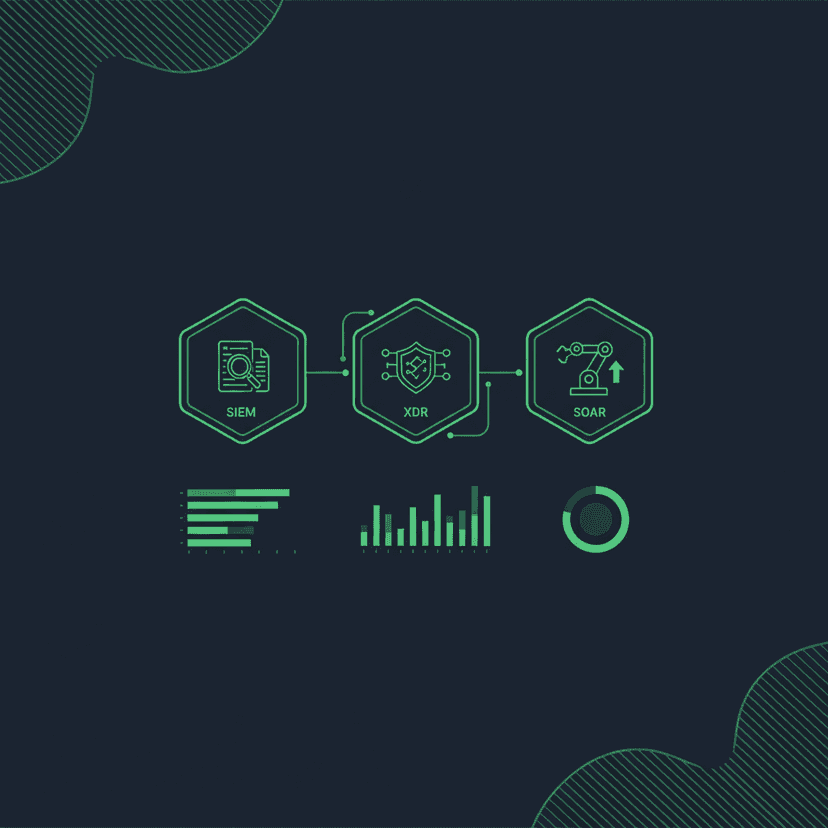
Latest Insights on Security Architecture

Discover our latest articles, expert knowledge and practical guides about Security Architecture

DORA 2026: Warum 44% der Finanzunternehmen nicht compliant sind — und was jetzt zu tun ist

February 23, 2026
15 Min.

44% der Finanzunternehmen kämpfen mit der DORA-Umsetzung. Erfahren Sie, wo die größten Lücken liegen und welche Maßnahmen jetzt Priorität haben.

Boris Friedrich
Read

DORA 2026: Warum 44% der Finanzunternehmen nicht compliant sind — und was jetzt zu tun ist

February 23, 2026
15 Min.

44% der Finanzunternehmen kämpfen mit der DORA-Umsetzung. Erfahren Sie, wo die größten Lücken liegen und welche Maßnahmen jetzt Priorität haben.

Boris Friedrich
Read
Regulierungswelle 2026: NIS2, DORA, AI Act & CRA — Was Unternehmen jetzt tun müssen
Informationssicherheit

Regulierungswelle 2026: NIS2, DORA, AI Act & CRA — Was Unternehmen jetzt tun müssen

February 23, 2026
20 Min.

NIS2, DORA, AI Act und CRA treffen 2026 gleichzeitig. Fristen, Überschneidungen und konkrete Maßnahmen — der komplette Leitfaden für Entscheider.

Boris Friedrich
Read
Regulierungswelle 2026: NIS2, DORA, AI Act & CRA — Was Unternehmen jetzt tun müssen
Informationssicherheit

Regulierungswelle 2026: NIS2, DORA, AI Act & CRA — Was Unternehmen jetzt tun müssen

February 23, 2026
20 Min.

NIS2, DORA, AI Act und CRA treffen 2026 gleichzeitig. Fristen, Überschneidungen und konkrete Maßnahmen — der komplette Leitfaden für Entscheider.

Boris Friedrich
Read

NIS2-Frist verpasst? Diese Bußgelder und Haftungsrisiken drohen ab März 2026

February 21, 2026
6 Min.

29.000 Unternehmen müssen sich bis 6. März 2026 beim BSI registrieren. Was bei Versäumnis droht: Bußgelder bis 10 Mio. €, persönliche Geschäftsführer-Haftung und BSI-Aufsichtsmaßnahmen.

Boris Friedrich
Read

NIS2 trifft KI: Warum AI Governance jetzt Pflicht wird

February 21, 2026
7 Min.

NIS2 fordert Risikomanagement für alle ICT-Systeme — inklusive KI. Ab August 2026 kommen die Hochrisiko-Pflichten des EU AI Act dazu. Warum Unternehmen AI Governance jetzt in ihre NIS2-Compliance einbauen müssen.

Boris Friedrich
Read
View All Articles
ADVISORI Logo
BlogCase StudiesAbout Us
info@advisori.de+49 69 913 113-01