Comprehensive Security Solutions for Your Organization
Cyber Security
In an increasingly connected world, cyber security is no longer merely a technical necessity but a strategic imperative. We support you with tailored security solutions that protect your organization against the complex threats of the digital world.
- ✓Comprehensive security strategies with Zero Trust approach
- ✓Comprehensive Identity & Access Management for secure access control
- ✓Proactive security testing and business continuity management
Your strategic success starts here
Our clients trust our expertise in digital transformation, compliance, and risk management
30 Minutes • Non-binding • Immediately available
For optimal preparation of your strategy session:
- Your strategic goals and objectives
- Desired business outcomes and ROI
- Steps already taken
Or contact us directly:
Certifications, Partners and more...









Comprehensive Security Solutions
Our Strengths
- In-depth expertise across all areas of cyber security
- Comprehensive approach with a focus on business continuity
- Tailored solutions for your specific requirements
⚠
Expert Knowledge
According to current studies, it takes an average of 277 days to detect and remediate a security incident. Through proactive security testing and continuous monitoring, this time can be reduced by up to 75%.
ADVISORI in Numbers
11+
Years of Experience
120+
Employees
520+
Projects
We take a comprehensive approach to cyber security that considers technical, organizational, and human factors. Our methodology encompasses thorough analysis, tailored strategy development, and structured implementation that accounts for your specific requirements and risk profile.
Our Approach:
Comprehensive analysis of your current security posture and risk profile
Development of a tailored security strategy with clear priorities
Implementation of effective security measures and controls
Continuous monitoring, testing, and improvement of your security posture
"Cyber security is today a decisive factor for business success. A comprehensive security approach not only protects against threats, but also builds trust with customers and partners and enables organizations to drive innovation securely."

Sarah Richter
Head of Information Security, Cyber Security
Expertise & Experience:
10+ years of experience, CISA, CISM, Lead Auditor, DORA, NIS2, BCM, Cyber and Information Security
Our Services
We offer you tailored solutions for your digital transformation
Security Strategy
Development of a tailored security strategy that accounts for your specific requirements and risk profile.
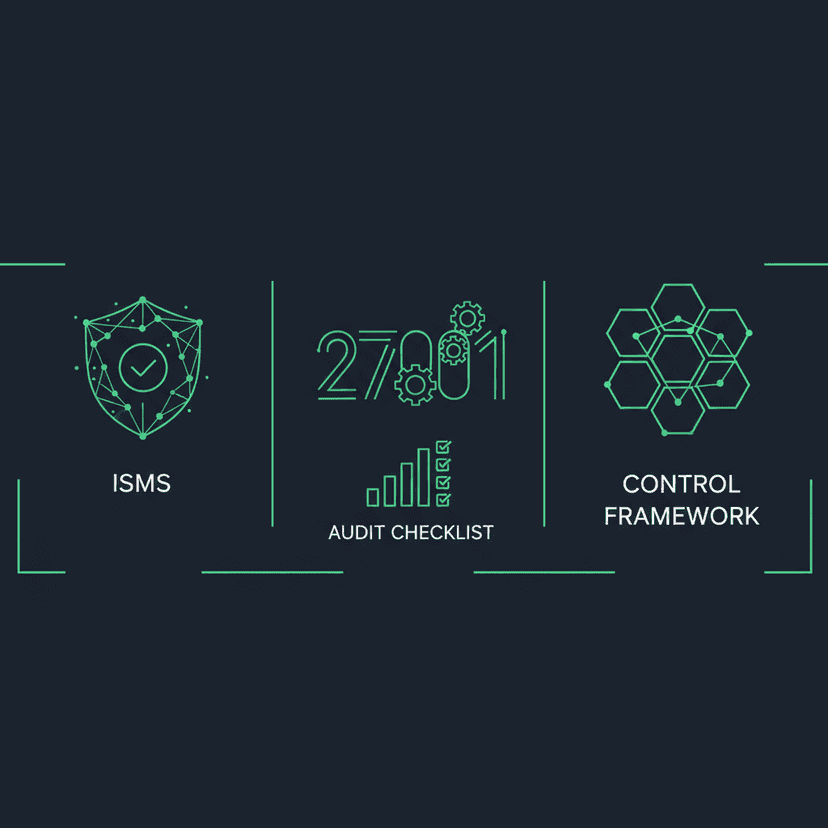
- Information Security Management Strategy (ISMS)
- Cyber Security Strategy
- Security Governance
Identity & Access Management
Implementation of secure access control with Zero Trust approach and comprehensive Privileged Access Management.
- Access Governance
- Privileged Access Management (PAM)
- Multi-Factor Authentication (MFA)
Security Testing
Proactive identification and remediation of security vulnerabilities through comprehensive security testing.
- Vulnerability Management
- Penetration Testing
- Security Assessment
Business Continuity & Resilience
Ensuring business continuity and resilience against cyber threats.
- BCM Framework
- Digital Resilience
- Disaster Recovery
Our Competencies in Informationssicherheit
Choose the area that fits your requirements
Business Continuity & Resilience
Business Continuity Management (BCM) protects your critical operations during crises, IT outages, and disruptions. ADVISORI delivers expert BCM consulting: Business Impact Analysis (BIA), continuity planning, crisis management, and operational resilience — fully aligned with ISO 22301, DORA, and NIS2.
Frequently Asked Questions about Cyber Security
What does a comprehensive cyber security strategy encompass?
A comprehensive cyber security strategy integrates various elements into a coherent security concept tailored to the specific requirements and risks of an organization.
🔍 Strategic Components
•
Information Security Management Strategy (ISMS): Systematic approach to managing sensitive company information
•
Cyber Security Strategy: Specific measures to protect against cyber threats
•
Security Governance: Organizational structures, roles and responsibilities for security decisions
•
Policy Framework: Hierarchy of policies, standards and procedures
•
Zero Trust Framework: Security model based on the principle of "trust no one"
🛡 ️ Technical Measures
•
Identity & Access Management: Control and management of user identities and access rights
•
Security Testing: Proactive identification and remediation of security vulnerabilities
•
Endpoint Protection: Protection of end devices against malware and other threats
•
Network Security: Securing network infrastructures and communications
•
Cloud Security: Specific security measures for cloud environments
📊 Organizational Aspects
•
Security Awareness: Training and education of employees
•
Incident Response: Structured response to security incidents
•
Business Continuity: Maintaining critical business processes during disruptions
•
Compliance Management: Adherence to regulatory requirements
•
Third-Party Risk Management: Managing security risks posed by third-party providers
Why is the Zero Trust approach so important for modern organizations?
The Zero Trust approach has established itself as a critical security strategy for modern organizations, as it accounts for the changing work and IT environments.
🔄 Core Principles of the Zero Trust Model
•
"Never Trust, Always Verify": Continuous verification of all access attempts, regardless of location or network
•
Least Privilege Access: Minimal permissions required to fulfill specific tasks
•
Micro-Segmentation: Granular subdivision of the network with specific access policies
•
Continuous Monitoring: Ongoing monitoring of all activities for anomalies
•
Data-Centric Security: Focus on protecting data rather than network perimeters
🌐 Relevance for Modern Work Environments
•
Remote Work: Securing access from outside the corporate network
•
Cloud Adoption: Consistent security controls across hybrid and multi-cloud environments
•
BYOD (Bring Your Own Device): Secure integration of personal devices
•
Supply Chain: Securing complex supply chains and partner networks
•
IoT Integration: Managing security risks posed by connected devices
📈 Business Benefits
•
Reduced Attack Surface: Minimizing the risk of lateral movement during security incidents
•
Improved Compliance: Detailed audit trails for regulatory requirements
•
Increased Agility: Secure support for new business models and technologies
•
Cost Efficiency: More targeted investment in security measures
•
Trust Building: Strengthening the confidence of customers and partners
How does Identity & Access Management support organizational security?
Identity & Access Management (IAM) forms the backbone of modern security architectures and supports organizational security in numerous ways.
🔑 Core Functions of IAM
•
Identity Lifecycle Management: Managing user accounts from creation to deactivation
•
Authentication: Verifying user identity through multiple factors
•
Authorization: Controlling access rights to resources and applications
•
Single Sign-On (SSO): Simplified access to multiple applications
•
Privileged Access Management (PAM): Enhanced protection of privileged accounts
🛡 ️ Security Benefits
•
Principle of Least Privilege: Minimizing access rights to the necessary minimum
•
Segregation of Duties (SoD): Preventing conflicts of interest and fraud
•
Automated Deprovisioning: Immediate revocation of access rights upon departure
•
Centralized Policy Enforcement: Consistent application of security policies
•
Comprehensive Audit Trails: Complete documentation of all access activities
📊 Business Impact
•
Compliance Fulfillment: Supporting regulatory requirements (GDPR, ISO 27001)
•
Operational Efficiency: Automation of access requests and approvals
•
Improved User Experience: Simplified access to required resources
•
Risk Mitigation: Reduction of insider threats and external attacks
•
Enablement of Digital Transformation: Secure support for new business models
What types of security testing should organizations conduct regularly?
A comprehensive security testing program encompasses various types of tests that should be conducted regularly to continuously improve the security posture.
🔍 Vulnerability Assessment
•
Automated Scans: Identification of known vulnerabilities in systems and applications
•
Compliance Checks: Verification of adherence to security standards and best practices
•
Configuration Reviews: Analysis of system configurations for security gaps
•
Patch Management Validation: Verification of the effectiveness of patch management
•
Asset Discovery: Identification and inventory of all IT assets
🛠 ️ Penetration Testing
•
External Penetration Testing: Simulation of attacks from outside the corporate network
•
Internal Penetration Testing: Simulation of attacks from within the corporate network
•
Web Application Testing: Specific tests for web applications (OWASP Top 10)
•
Mobile Application Testing: Security tests for mobile applications
•
Social Engineering Tests: Assessment of resilience against human manipulation techniques
📊 Specialized Test Procedures
•
Red Team Exercises: Comprehensive, realistic attack simulations
•
Purple Teaming: Collaborative exercises between attackers (Red Team) and defenders (Blue Team)
•
Threat Hunting: Proactive search for indicators of compromise
•
Code Reviews: Manual or automated review of source code for security vulnerabilities
•
IoT Security Testing: Specific tests for Internet of Things devices
How can Business Continuity & Resilience support cyber security?
Business Continuity & Resilience complements cyber security through measures that strengthen an organization's ability to withstand and recover from security incidents.
🔄 Integration of Business Continuity and Cyber Security
•
Cyber Resilience: The ability to withstand, adapt to and recover from cyber attacks
•
Security by Design: Integration of security considerations into business continuity plans
•
Incident Response Integration: Alignment of security incident responses with business continuity processes
•
Risk-Based Approach: Prioritization of measures based on business impact
•
Comprehensive Protection: Protection of people, processes and technologies
🛡 ️ Key Components
•
Business Impact Analysis (BIA): Identification of critical business processes and dependencies
•
Recovery Time Objectives (RTO): Target values for recovery time
•
Recovery Point Objectives (RPO): Maximum acceptable data loss
•
Crisis Management: Structured response to crisis situations
•
Communication Plans: Clear communication channels and responsibilities
📈 Business Benefits
•
Minimized Downtime: Faster recovery following security incidents
•
Reduced Financial Losses: Limiting the impact of business interruptions
•
Improved Stakeholder Communication: Clear information channels during crisis situations
•
Regulatory Compliance: Meeting operational continuity requirements
•
Competitive Advantage: Demonstrating resilience to customers and partners
Which compliance requirements are particularly relevant for cyber security?
Organizations must comply with a wide range of regulatory requirements in the area of cyber security, which vary depending on industry and business model.
🇪
🇺 EU Regulations
•
General Data Protection Regulation (GDPR): Comprehensive requirements for the protection of personal data
•
NIS 2 Directive: Measures for a high common level of cybersecurity across the EU
•
Digital Operational Resilience Act (DORA): Requirements for digital operational stability in the financial sector
•
eIDAS Regulation: Legal framework for electronic identification and trust services
•
EU Cyber Resilience Act: Cybersecurity requirements for connected products
🇩
🇪 German Regulations
•
IT Security Act 2.0: Enhanced requirements for critical infrastructures (KRITIS)
•
BDSG (new): National supplements to the GDPR
•
BSI IT-Grundschutz: Methodical protection of IT systems
•
B3S: Sector-specific security standards for KRITIS operators
•
Technical Guideline TR‑03109: Requirements for smart meter gateways
🌐 International Standards
•
ISO/IEC 27001: International standard for information security management systems
•
NIST Cybersecurity Framework: Risk management framework of the US National Institute of Standards and Technology
•
PCI DSS: Payment Card Industry Data Security Standard for organizations that process credit card data
•
SOC 2: Service Organization Control Reports for cloud service providers
•
CIS Controls: Security controls from the Center for Internet Security
How can an organization raise employee awareness of cyber security?
Employees play a critical role in an organization's cyber security, as they are often the target of social engineering attacks and their behavior directly influences security outcomes.
🎓 Security Awareness Training
•
Regular Training: Continuous awareness-building rather than one-off measures
•
Role-Specific Content: Training content tailored to different functions and risk profiles
•
Interactive Formats: Engagement through gamification, simulations and hands-on exercises
•
Microlearning: Short, focused learning units for better retention
•
Just-in-Time Training: Training delivered at the moment of need (e.g., before business travel)
🛡 ️ Practical Measures
•
Phishing Simulations: Realistic tests to assess the ability to recognize phishing attacks
•
Security Champions: Ambassadors for security within business departments
•
Clear Reporting Channels: Simple mechanisms for reporting suspicious activities
•
Positive Reinforcement: Recognition of security-conscious behavior
•
Executive Support: Visible commitment from leadership
📊 Measuring Success
•
Phishing Susceptibility Rate: Vulnerability to phishing attacks
•
Security Incident Reporting: Employee reporting of security incidents
•
Policy Compliance: Adherence to security policies
•
Knowledge Assessments: Evaluation of security knowledge
•
Behavioral Change: Measurable changes in day-to-day behavior
What role does Incident Response play in cyber security?
Incident Response is a critical component of a comprehensive cyber security strategy, enabling a structured response to security incidents.
🔄 Incident Response Lifecycle
•
Preparation: Development of plans, processes and resources
•
Detection: Identification of potential security incidents
•
Analysis: Investigation and assessment of the incident
•
Containment: Limiting the damage and isolating affected systems
•
Eradication: Removal of the threat from the environment
•
Recovery: Return to normal operations
•
Lessons Learned: Analysis and improvement based on experience
👥 Incident Response Team
•
Interdisciplinary Composition: IT, Security, Legal, PR, Management
•
Clear Roles and Responsibilities: Incident Commander, Technical Lead, Communications Lead
•
Escalation Paths: Defined thresholds for escalation
•
External Partners: Forensic experts, legal advisors, PR agencies
•
Regular Training: Exercises and simulations for preparedness
📊 Success Factors
•
Speed of Response: Rapid response to minimize damage
•
Effective Communication: Clear internal and external communication
•
Documentation: Detailed recording of all activities and decisions
•
Continuous Improvement: Regular review and update of plans
•
Integration with Business Continuity: Alignment with business continuity plans
How can an organization improve its cloud security?
Securing cloud environments requires specific measures that account for the particular characteristics and risks of cloud services.
☁ ️ Cloud Security Fundamentals
•
Shared Responsibility Model: Clear understanding of the respective responsibilities of cloud provider and customer
•
Defense in Depth: Multi-layered security controls for cloud resources
•
Least Privilege: Minimal permissions for cloud resources and services
•
Encryption: Encryption of data at rest and in transit
•
Continuous Monitoring: Ongoing monitoring of the cloud environment
🔒 Technical Measures
•
Identity and Access Management: Secure management of identities and access rights in the cloud
•
Cloud Security Posture Management (CSPM): Monitoring and optimization of security configuration
•
Cloud Workload Protection Platform (CWPP): Protection of workloads in the cloud
•
Cloud Access Security Broker (CASB): Security layer between enterprise users and cloud services
•
Secure DevOps: Integration of security into the development and deployment process
📋 Governance and Compliance
•
Cloud Security Policies: Specific policies for cloud environments
•
Compliance Frameworks: Adherence to relevant standards (ISO 27017, CSA STAR)
•
Third-Party Risk Management: Assessment and monitoring of cloud providers
•
Data Residency: Control over the storage location of data
•
Exit Strategy: Plan for switching or terminating cloud services
Which cyber security trends will be important in the coming years?
The cyber security landscape is continuously evolving, driven by technological innovations, changing threats and new regulatory requirements.
🤖 AI and Automation
•
AI-supported Attacks: Increasing use of AI for automated and personalized attacks
•
Defensive AI: AI-based detection and mitigation of threats
•
Security Orchestration, Automation and Response (SOAR): Automation of security processes
•
Predictive Security: Forecasting potential threats and taking proactive measures
•
Autonomous Security Systems: Self-learning and self-healing security systems
🔒 New Security Paradigms
•
Zero Trust Architecture: Consistent implementation of the "Never Trust, Always Verify" principle
•
Secure Access Service Edge (SASE): Convergence of network and security services in the cloud
•
DevSecOps: Full integration of security into the development process
•
Quantum-Safe Cryptography: Preparation for quantum computing threats
•
Passwordless Authentication: Authentication without passwords through biometric and other factors
📊 Regulatory Developments
•
Global Harmonization: Increasing alignment of international security standards
•
Sector-Specific Regulations: Tailored requirements for critical industries
•
Supply Chain Security: Strengthened requirements for securing supply chains
•
Cyber Insurance: Development of standardized requirements for cyber insurance
•
Incident Disclosure: Extended reporting obligations for security incidents
How can an organization improve its IoT security?
Securing IoT devices and environments requires specific measures that address the particular challenges of this technology.
🔌 IoT-Specific Challenges
•
Resource Constraints: Limited computing power, memory and battery life
•
Heterogeneity: Diverse device types, operating systems and communication protocols
•
Long Lifespan: Devices with limited update capabilities deployed over many years
•
Physical Accessibility: Devices located in uncontrolled environments
•
Scale: Managing thousands or millions of devices
🛡 ️ Security Measures
•
Secure by Design: Integration of security throughout the entire product lifecycle
•
Device Authentication: Secure identification and authentication of devices
•
Encryption: Encryption of communications and stored data
•
Network Segmentation: Isolation of IoT devices in separate network segments
•
Firmware Updates: Secure mechanisms for firmware updates
🔍 Monitoring and Management
•
IoT Security Monitoring: Continuous monitoring for anomalous behavior
•
Vulnerability Management: Regular assessment for vulnerabilities
•
Asset Management: Complete inventory of all IoT devices
•
Incident Response: Specific processes for IoT-related security incidents
•
Decommissioning: Secure decommissioning of IoT devices
How can an organization improve its supply chain security?
Securing the supply chain has become a critical aspect of cyber security, given the increasing frequency of supply chain attacks and new regulatory requirements.
🔍 Supply Chain Risks
•
Software Supply Chain: Risks from compromised software components or updates
•
Hardware Supply Chain: Tampered hardware components or firmware
•
Service Providers: Security risks from external service providers with access to systems
•
Fourth-Party Risk: Risks arising from the suppliers of your own suppliers
•
Open Source Vulnerabilities: Vulnerabilities in open-source components in use
🛡 ️ Security Measures
•
Vendor Risk Management: Systematic assessment and monitoring of suppliers
•
Software Bill of Materials (SBOM): Transparency regarding software components in use
•
Secure Software Development: Secure development practices for proprietary software
•
Code Signing: Verification of the integrity of software updates
•
Hardware Security: Measures to detect tampered hardware
📋 Governance and Compliance
•
Third-Party Security Requirements: Clear security requirements for suppliers
•
Contractual Obligations: Contractual anchoring of security requirements
•
Regular Assessments: Regular review of supplier security
•
Incident Response Coordination: Coordinated response to security incidents in the supply chain
•
Regulatory Compliance: Adherence to regulations such as the IT Security Act 2.0
How can an organization improve its mobile security?
Securing mobile devices and applications is an important aspect of organizational security, given their increasing use for business purposes.
📱 Mobile Security Challenges
•
BYOD (Bring Your Own Device): Integration of personal devices into the corporate environment
•
App Security: Risks from insecure or malicious mobile applications
•
Data Leakage: Unintentional exposure of sensitive data via mobile devices
•
Network Attacks: Attacks via unsecured Wi-Fi networks or man-in-the-middle attacks
•
Device Loss or Theft: Physical loss of devices containing corporate data
🔒 Security Measures
•
Mobile Device Management (MDM): Centralized management and security of mobile devices
•
Mobile Application Management (MAM): Control and security of corporate applications
•
Containerization: Separation of business and personal data on the device
•
VPN: Secure connection to the corporate network
•
Remote Wipe: Ability to remotely erase devices in the event of loss or theft
📋 Policies and Best Practices
•
Mobile Security Policy: Clear guidelines for the use of mobile devices
•
App Whitelisting: Restriction to vetted and approved applications
•
Regular Updates: Timely installation of security updates
•
Security Awareness: Training employees on mobile security risks
•
Incident Response: Specific processes for mobile security incidents
How can an organization improve its endpoint security?
Securing endpoints is a central aspect of cyber security, as they are frequently the primary target of attacks and provide direct access to corporate data.
💻 Endpoint Security Challenges
•
Advanced Malware: Sophisticated malicious software that evades traditional antivirus solutions
•
Fileless Attacks: Attacks that leave no files on the hard drive
•
Ransomware: Encryption of data and extortion
•
Insider Threats: Threats posed by internal employees
•
Remote Work: Securing devices outside the corporate network
🛡 ️ Security Solutions
•
Modern Antivirus (NGAV): Advanced malware detection through behavioral analysis
•
Endpoint Detection and Response (EDR): Continuous monitoring and response to threats
•
Extended Detection and Response (XDR): Integration of endpoint, network and cloud security
•
Application Control: Control over which applications can be executed
•
Full Disk Encryption: Encryption of the entire hard drive
🔄 Management and Processes
•
Patch Management: Timely installation of security updates
•
Configuration Management: Secure configuration of endpoints
•
Asset Management: Complete inventory of all endpoints
•
Vulnerability Management: Regular assessment for vulnerabilities
•
Incident Response: Rapid response to security incidents
How can an organization improve its email security?
Email remains one of the primary attack vectors for cyber attacks, particularly for phishing, malware distribution and Business Email Compromise (BEC).
📧 Email Threats
•
Phishing: Deceiving users into disclosing sensitive information
•
Spear Phishing: Targeted phishing attacks against specific individuals or organizations
•
Business Email Compromise (BEC): Compromise of business email accounts for fraudulent purposes
•
Malware Attachments: Malicious attachments that install malware
•
Malicious Links: Links to malicious websites
🔒 Technical Protective Measures
•
Secure Email Gateway (SEG): Filtering of inbound and outbound emails
•
DMARC, SPF, DKIM: Authentication mechanisms to prevent email spoofing
•
Anti-Phishing Protection: Detection and blocking of phishing attempts
•
Attachment Sandboxing: Secure execution and analysis of attachments
•
URL Rewriting: Rewriting and verification of links within emails
👥 Employee Awareness
•
Phishing Awareness Training: Training on how to recognize phishing attempts
•
Phishing Simulations: Realistic tests to assess vigilance
•
Clear Reporting Procedures: Simple mechanisms for reporting suspicious emails
•
Email Handling Guidelines: Clear policies for handling emails
•
Regular Reminders: Ongoing reminders of security best practices
How can an organization improve its network security?
Network security remains a fundamental aspect of cyber security, even as the traditional perimeter increasingly dissolves due to cloud adoption and remote work.
🌐 Network Security Challenges
•
Advanced Persistent Threats (APTs): Long-term, targeted attacks
•
Lateral Movement: Movement of attackers within the network
•
DDoS Attacks: Overloading of network resources
•
Man-in-the-Middle Attacks: Interception and manipulation of network traffic
•
Insider Threats: Threats posed by internal employees
🛡 ️ Security Solutions
•
Modern Firewall (NGFW): Advanced filtering of network traffic
•
Intrusion Detection/Prevention System (IDS/IPS): Detection and blocking of attacks
•
Network Access Control (NAC): Control of access to the network
•
Micro-Segmentation: Granular subdivision of the network
•
Secure Web Gateway (SWG): Filtering of web traffic
🔍 Monitoring and Analysis
•
Network Traffic Analysis (NTA): Analysis of network traffic for anomalies
•
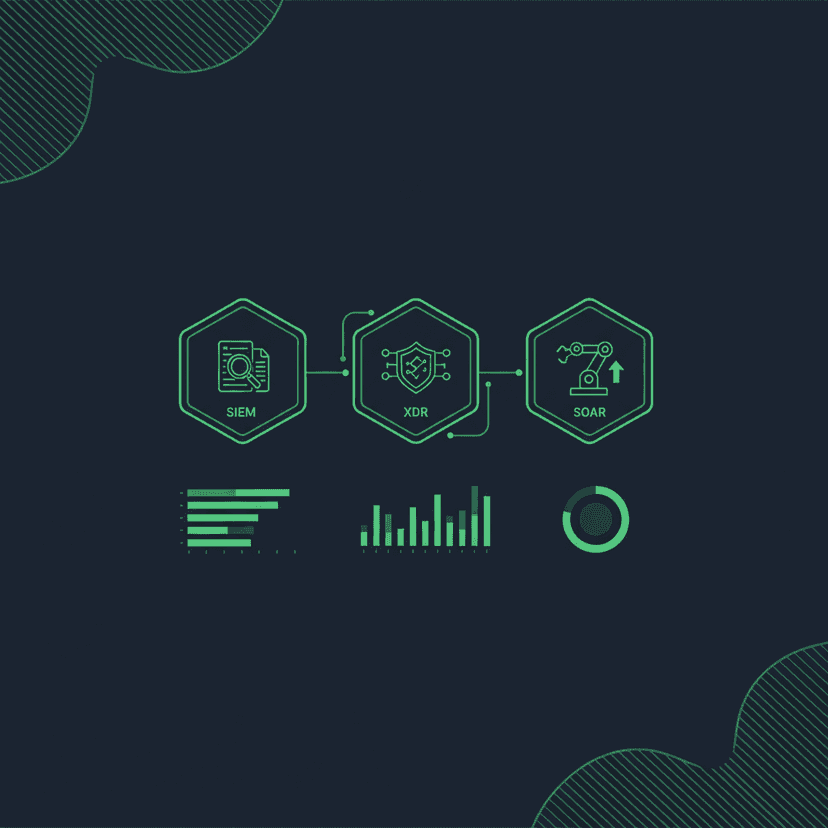
Security Information and Event Management (SIEM): Centralized collection and analysis of security events
•
Network Behavior Analysis: Detection of unusual behavioral patterns
•
Threat Hunting: Proactive search for threats within the network
•
Continuous Monitoring: Ongoing monitoring of network security
How can an organization improve its data security?
Protecting sensitive data is a central objective of cyber security and encompasses measures to secure data at rest, in transit and during processing.
📊 Data Security Challenges
•
Data Breaches: Unauthorized access to sensitive data
•
Data Leakage: Unintentional exposure of data
•
Insider Threats: Misuse of data access rights by employees
•
Shadow IT: Use of unauthorized applications for corporate data
•
Compliance Requirements: Adherence to regulatory requirements
🔒 Security Measures
•
Data Classification: Categorization of data by sensitivity
•
Encryption: Encryption of sensitive data at rest and in transit
•
Data Loss Prevention (DLP): Prevention of data loss and theft
•
Database Security: Specific security measures for databases
•
Secure File Sharing: Secure methods for exchanging files
🔍 Monitoring and Control
•
Data Access Monitoring: Monitoring of access to sensitive data
•
User and Entity Behavior Analytics (UEBA): Detection of unusual access patterns
•
Data Discovery: Identification and inventory of sensitive data
•
Rights Management: Control of data usage following access
•
Data Retention: Secure retention and deletion of data
How can an organization improve its application security?
Application security is a critical aspect of cyber security, as vulnerabilities in applications are frequently exploited in attacks.
💻 Application Security Challenges
•
Vulnerabilities: Security weaknesses in application code
•
Insecure APIs: Insecure application programming interfaces
•
Authentication Flaws: Weaknesses in authentication mechanisms
•
Injection Attacks: SQL Injection, Cross-Site Scripting (XSS), etc.
•
Insecure Dependencies: Vulnerabilities in libraries and frameworks in use
🔒 Secure Development Practices
•
Secure Software Development Lifecycle (SSDLC): Integration of security throughout the entire development process
•
Security Requirements: Clear security requirements for applications
•
Secure Coding Guidelines: Guidelines for secure programming practices
•
Code Reviews: Review of code for security issues
•
Security Testing: Regular testing for vulnerabilities
🛠 ️ Security Tools and Techniques
•
Static Application Security Testing (SAST): Analysis of source code for vulnerabilities
•
Dynamic Application Security Testing (DAST): Testing of running applications for vulnerabilities
•
Interactive Application Security Testing (IAST): Combination of SAST and DAST
•
Software Composition Analysis (SCA): Review of third-party components
•
Runtime Application Self-Protection (RASP): Self-protection of applications at runtime
How can an organization measure the ROI of its cyber security investments?
Measuring the return on investment (ROI) of cyber security investments is complex, but essential for strategic planning and budgeting.
💰 Cost Factors
•
Direct Costs: Direct costs for security solutions, personnel and services
•
Indirect Costs: Indirect costs such as productivity losses resulting from security measures
•
Opportunity Costs: Lost business opportunities due to security constraints
•
Risk Transfer Costs: Costs for cyber insurance and other risk transfer measures
•
Compliance Costs: Costs of meeting regulatory requirements
📊 Benefit Factors
•
Risk Reduction: Reduction in the likelihood of security incidents
•
Incident Cost Avoidance: Avoidance of costs associated with security incidents
•
Operational Efficiency: Improvement of operational efficiency through automation
•
Competitive Advantage: Competitive differentiation through enhanced security
•
Compliance Achievement: Fulfillment of regulatory requirements
🔍 Measurement Methods
•
Risk-Based Approach: Assessment of risk reduction achieved through security measures
•
Cost-Benefit Analysis: Comparison of the costs and benefits of security measures
•
Benchmarking: Comparison against industry averages and best practices
•
Security Metrics: Measurement of specific security key performance indicators
•
Maturity Models: Assessment of the maturity of security measures
How can a company measure the ROI of its cyber security investments?
Measuring the Return on Investment (ROI) for cyber security investments is complex, but crucial for strategic planning and budgeting.
💰 Cost Factors
•
Direct Costs: Direct costs for security solutions, personnel and services
•
Indirect Costs: Indirect costs such as productivity losses due to security measures
•
Opportunity Costs: Lost business opportunities due to security concerns
•
Risk Transfer Costs: Costs for cyber insurance and other risk transfer measures
•
Compliance Costs: Costs for meeting regulatory requirements
📊 Benefit Factors
•
Risk Reduction: Reduction of the risk of security incidents
•
Incident Cost Avoidance: Avoidance of costs caused by security incidents
•
Operational Efficiency: Improvement of operational efficiency through automation
•
Competitive Advantage: Competitive edge through enhanced security
•
Compliance Achievement: Fulfillment of regulatory requirements
🔍 Measurement Methods
•
Risk-Based Approach: Assessment of risk reduction through security measures
•
Cost-Benefit Analysis: Comparison of costs and benefits of security measures
•
Benchmarking: Comparison with industry average and best practices
•
Security Metrics: Measurement of specific security key performance indicators
•
Maturity Models: Assessment of the maturity of security measures
Success Stories
Discover how we support companies in their digital transformation
Digitalization in Steel Trading
Klöckner & Co
Digital Transformation in Steel Trading
Case Study

Results
Over 2 billion euros in annual revenue through digital channels
Goal to achieve 60% of revenue online by 2022
Improved customer satisfaction through automated processes
AI-Powered Manufacturing Optimization
Siemens
Smart Manufacturing Solutions for Maximum Value Creation
Case Study

Results
Significant increase in production performance
Reduction of downtime and production costs
Improved sustainability through more efficient resource utilization
AI Automation in Production
Festo
Intelligent Networking for Future-Proof Production Systems
Case Study

Results
Improved production speed and flexibility
Reduced manufacturing costs through more efficient resource utilization
Increased customer satisfaction through personalized products
Generative AI in Manufacturing
Bosch
AI Process Optimization for Improved Production Efficiency
Case Study

Results
Reduction of AI application implementation time to just a few weeks
Improvement in product quality through early defect detection
Increased manufacturing efficiency through reduced downtime
Let's
Work Together!
Is your organization ready for the next step into the digital future? Contact us for a personal consultation.
Your strategic success starts here
Our clients trust our expertise in digital transformation, compliance, and risk management
Ready for the next step?
Schedule a strategic consultation with our experts now
30 Minutes • Non-binding • Immediately available
For optimal preparation of your strategy session:
Your strategic goals and challenges
Desired business outcomes and ROI expectations
Current compliance and risk situation
Stakeholders and decision-makers in the project
Prefer direct contact?
Direct hotline for decision-makers
Strategic inquiries via email
Detailed Project Inquiry
For complex inquiries or if you want to provide specific information in advance